






















Maps and Photos Reveal Five Iranian Bridges Threatened by US Strikes

Recent tensions between the United States and Iran have put several critical Iranian bridges at risk. As the US government threatens military action, experts are warning about the potential consequences these strikes may have on Iran’s infrastructure.
Threatened Iranian Bridges Highlighted
President Donald Trump has declared an intent to target important infrastructure in Iran, specifically its bridges. This aggressive stance has raised alarms about the humanitarian and economic repercussions if these structures are attacked. Five noteworthy bridges in Iran have been identified as particularly vulnerable.
1. Persian Gulf Bridge
- Location: Hormuzgan Province
- Dimensions: 3.4 km (2.1 miles)
- Status: Unfinished (15-18% complete)
- Investment: Up to $700 million
This bridge project, launched in 2011, aims to connect Qeshm Island to Bandar Abbas, Iran’s primary port. It is crucial for international trade connections involving India and Russia.
2. Lake Urmia Bridge (Shahid Kalantari Bridge)
- Location: Between East and West Azerbaijan provinces
- Dimensions: 1.7 km (1 mile)
- Inauguration: November 2008
This bridge significantly reduces travel time between Tabriz and Urmia, enhancing connectivity. Its destruction could lead to an ecological disaster, polluting Lake Urmia.
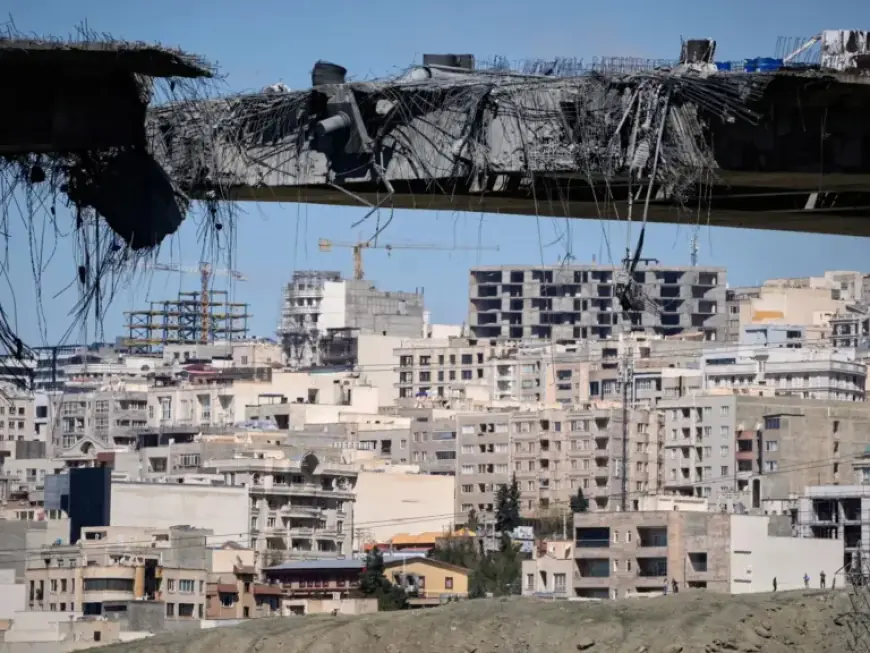
3. Sadr Multilevel Expressway
- Location: Tehran
- Dimensions: 11 km (7 miles)
- Inauguration: November 2013
As the longest multilevel bridge in the region, this expressway is vital for daily commuters in Tehran. Attacks here could result in widespread casualties.
4. Karun 4 Arch Bridge
- Location: Chaharmahal and Bakhtiari Province
- Dimensions: 378 meters (1,240 ft)
- Inauguration: 2015
This bridge serves as a key route between Shahr-e-Kord and Izeh. Bombing it poses risks to nearby hydroelectric facilities, threatening downstream communities.
5. Ghadir Cable-stayed Bridge (8th Bridge)
- Location: Ahvaz, Khuzestan Province
- Dimensions: 1,014 meters (3,327 ft)
- Inauguration: Early 2012
Strategically situated in the heart of Ahvaz, this bridge is essential for transportation and emergency services. Its destruction would disrupt an already vulnerable region.
The Broader Impact
Analysts emphasize that targeting these bridges would have severe implications for Iran’s economy and civilian safety. It could lead to extensive infrastructure damage and exacerbate humanitarian crises in affected regions. The potential for collateral damage raises serious concerns about the repercussions of military actions.
As tensions escalate, the international community remains vigilant about developments surrounding these vital structures and their implications for regional stability.