
























“County Tops U.S. with Highest Average Gas Prices”

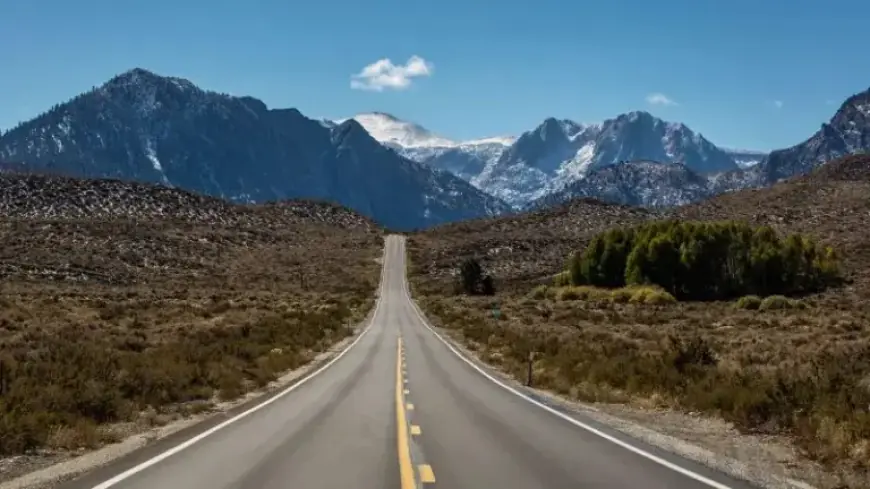
Residents of Mono County, California, are facing a significant burden from soaring gas prices, making it the county with the highest average fuel costs in the United States. As of a recent report, the average price per gallon in Mono County is $6.72, compared to a national average of $4.57. This situation highlights the challenges that rural communities confront due to distance and limited infrastructure.
Impacts on Local Residents
The high gas prices are impacting daily life for residents like Connie Lear, who lives in June Lake, a scenic town near Yosemite National Park. Lear has limited her driving to conserve fuel, often opting for her bicycle or golf cart to manage her properties. She has noticed a decrease in tourism, which is vital for her town’s economy, as potential visitors reduce their stay duration, fearing fuel costs.
Comparative Gas Prices
To understand the implications of these price hikes, consider the following:
- June Lake: $7.50 per gallon at the local gas station.
- Lee Vining: $6.85 per gallon.
- Nevada (nearest state for cheaper fuel): $4.57 per gallon.
This trend of increasing gas prices is not new; similar patterns emerged during events like Russia’s invasion of Ukraine, which pushed prices nationwide up to $5.02 per gallon.
Reasons Behind Rising Prices
Mono County’s geographical isolation contributes to higher fuel costs. The nearest terminal for gasoline delivery is over 200 miles away, adding considerable transportation expenses. Less competition and fewer affordable gas retailers make price regulation difficult.
Additionally, California has the highest state gasoline tax in the country, currently at 71 cents per gallon. This tax, combined with extra costs from environmental regulations, drives prices even higher. These rules impose carbon taxes and require cleaner burning gasoline, further straining local consumers.
The Ripple Effect on Businesses
Local gas station owners, like Shelly Channel from Lee Vining, are struggling. Despite operating since 1978, Channel finds the current pricing environment incomprehensible. He has had to raise his prices significantly due to wholesale increases, which customers often mistakenly attribute to the local owners.
Gasoline Sales Dynamics
| Time Period | Estimated Gallons Sold |
|---|---|
| Summer | 50,000 gallons |
| November-December | 5,000 gallons |
Low sales volume further pressures rural station owners, who must cover fixed operational costs despite selling fewer gallons. Analysts note that a monthly sale of at least 200,000 gallons is ideal for profitability.
Future Outlook
As tensions in international conflicts continue, gas prices are expected to remain elevated. The closure of multiple refineries in California compounds the issue, threatening further shortages and dependence on imported fuel.
For the 9,200 residents of Mono County, these rising costs are reshaping how they navigate life in their community. Lear emphasizes the lifestyle adjustments her family makes to combat the financial strain, noting, “We can’t afford to spend $7.50 to drive around town. It’s ridiculous.”
The situation in Mono County serves as a stark reminder of the economic implications of rising gas prices, especially in rural areas where access to affordable fuel is limited.