
























Scientists Revive Centuries-Old Bullets for Essential Toxic Compound Recycling

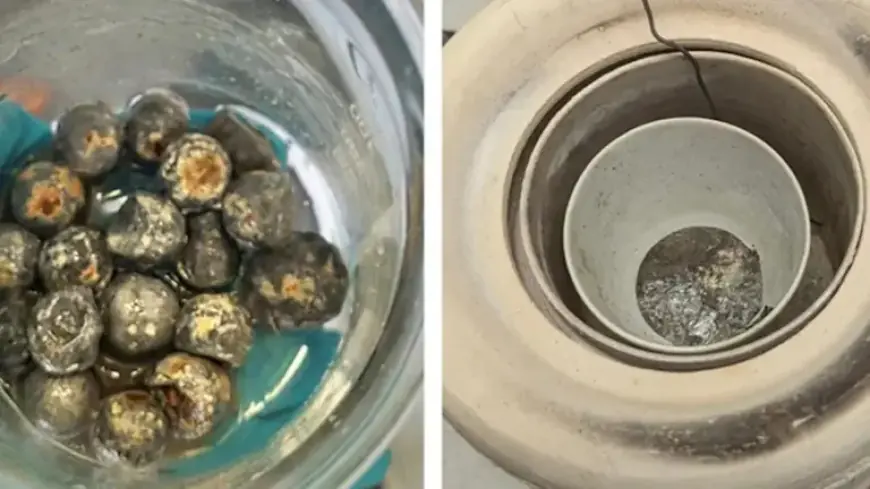
Recent advancements by materials scientists have revived centuries-old toxic waste, transforming such remnants into valuable components for solar technology. The research, conducted by a team at the Jülich Research Centre in Erlangen, Germany, focused on a collection of spherical lead bullets dating back to the 16th and 17th centuries. The team successfully converted these contaminated bullets into high-purity lead iodide, a crucial material for manufacturing perovskite solar panels.
Recycling Toxic Waste for Solar Energy
Perovskite solar panels are renowned for their cost-effectiveness and efficiency. The created solar panels achieved a remarkable efficiency of 21%, while top-tier models typically offer around 27% efficiency. The significance of using high-purity lead iodide is crucial, as lead mining is both toxic and resource-intensive.
Innovative Upcycling Process
- The project serves as a proof of concept for upcycling toxic legacy waste.
- Practitioners purchased the lead bullets from eBay as a model feedstock.
- The first step of the upcycling involves smelting and reshaping the bullets.
- Lead iodide is produced using electrodes dipped in a solvent mixture with an electric current.
- The process showcases reduced chemical usage and less lead-contaminated wastewater.
The second step utilizes the produced lead iodide powder to grow perovskite crystals through a novel method called inverse-temperature crystallization. This technique employs heat to encourage proper molecular arrangement, yielding high-quality crystals.
Environmental and Economic Benefits
This innovative recycling process could potentially reclaim 30% to 40% of lead waste that is often discarded after industrial use. To scale up the production of perovskite solar cells, the establishment of a robust recycling infrastructure is crucial.
Perovskite Technology Advancements
Perovskites have emerged as a leading type of solar technology due to their flexibility and efficiency. Researchers have emphasized their superior performance compared to traditional silicon-based solar panels. They can even be blended into hybrid models, achieving efficiencies as high as 36%.
According to Tonio Buonassisi, director of MIT’s Photovoltaics Research Laboratory, lead-based perovskite solar cells have maintained a predominant focus in research. Their ability to be combined with a variety of materials makes them a unique option for sustainable energy initiatives.
The recent successful transformation of toxic lead bullets into a clean energy resource exemplifies how historical waste can play a role in modern technology. This method not only paves the way for enhanced energy solutions but also underscores the importance of sustainable practices in the ever-evolving field of solar energy.