






















Noah Berlatsky Analyzes Trump’s Comprehensive War Budget

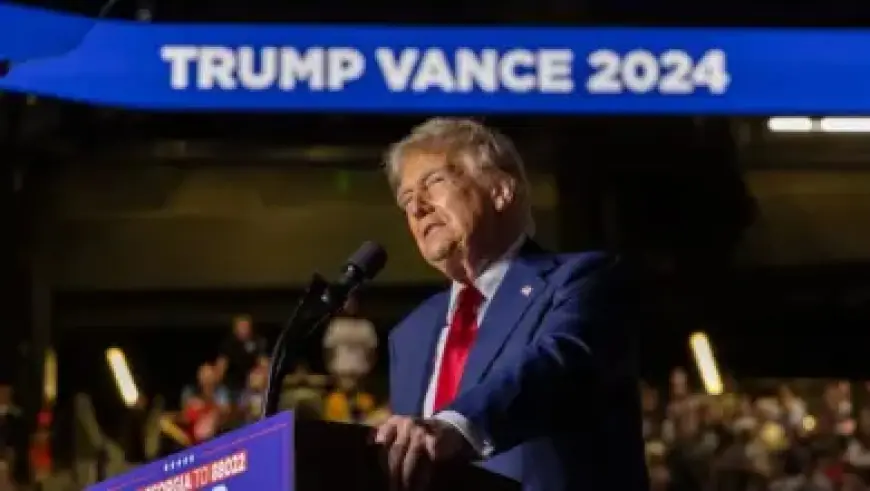
In a recent announcement, President Trump outlined a 2027 fiscal year budget that reflects a significant shift in U.S. financial priorities. The proposal aims to increase defense spending by 42 percent, translating into an additional $445 billion added to the existing military budget. The total requested for military expenditures now stands at a staggering $1.5 trillion.
Noah Berlatsky Analyzes Trump’s Comprehensive War Budget
Trump’s budget plan also proposes a notable reduction in non-defense spending by 10 percent. This reduction targets various federal programs deemed “woke” or “wasteful,” including the Internal Revenue Service, Environmental Protection Agency, and National Endowment for Democracy. Major cuts are also slated for the National Institutes of Health.
Defense Spending Increase
- Total defense budget: $1.5 trillion
- Increase in defense spending: 42% ($445 billion)
- Defense spending component: $185 billion for the “Golden Dome” missile defense shield
Trump reaffirmed his commitment to prioritizing military protection over social welfare programs. He expressed that states should assume responsibility for various social services, stating, “We’re fighting wars,” undermining the federal safety net. His discourse reflects a long-standing Republican agenda focused on military expansion at the expense of domestic programs.
Reactions and Implications
Democrats have responded critically, suggesting that Trump’s proposed budget is unlikely to gain support. Patty Murray, a prominent Senate Democrat, described the vision encapsulated in the budget as “bleak and unacceptable.” According to recent polling, Trump’s fiscal policies regarding social programs and healthcare are unpopular with the general populace.
Historically, Republican budgets have mirrored this approach, often prioritizing military expenditures while drastically reducing spending on social welfare. Political analysts note that Trump’s latest proposals continue this trend, reflecting a decades-long GOP strategy aimed at bolstering military funding while eroding social safety nets.
Public Sentiment and Future Outlook
A significant portion of the American public disapproves of Trump’s focus on military spending amid domestic challenges. Surveys show that Trump’s handling of immigration and international conflicts, especially with Iran, is increasingly unpopular. Polls reveal a notable swing in public approval, raising concerns within the GOP about its prospects in upcoming midterm elections.
As the debate over the budget continues, it remains to be seen how these shifts in priorities will influence future political dynamics. Democrats are poised to leverage these issues, framing the conversation around funding for war versus essential healthcare services.