























Federal Reserve’s March-April Inflation Forecast Darkens Wall Street Outlook

The past few years have seen Wall Street experience an impressive bull market. However, recent events are threatening that momentum. In the last six months, key indices have reached significant milestones: the S&P 500 approached 7,000, the Nasdaq Composite nearly hit 24,000, and the Dow Jones Industrial Average touched 50,000. Yet, in recent weeks, market dynamics have shifted, raising concerns for investors.
Wall Street Faces Increasing Challenges
Over the last six weeks, the Dow and Nasdaq Composite have faced corrections, while the S&P 500 has shown signs of a potential double-digit decline. The uncertainties arising from the ongoing conflict involving Iran are fueling these market apprehensions. However, the broader implications for U.S. inflation are sending additional ripples through Wall Street.
Impact of the Iran Conflict
On February 28, military operations against Iran began, leading to the closure of the Strait of Hormuz for most oil exports. This strait is vital, with approximately 20% of the world’s liquid petroleum passing through daily. Consequently, crude oil prices surged as supply tightened.
Gas Prices Reach Historic Highs
- National average gas price rose to $4.08 per gallon as of April 2, 2026.
- This marks a 36% increase from $3.00 per gallon, the largest monthly spike in 30 years.
- Diesel prices have escalated even further, now at $5.51 per gallon, a 46% monthly increase.
Consumers are increasingly feeling the impact of these rising fuel costs. While immediate concerns focus on gas prices, the inflationary effects from this energy crisis could have significant consequences for the stock market.
Federal Reserve’s March-April Inflation Forecast Darkens Wall Street Outlook
The latest inflation forecast from the Federal Reserve is raising alarms among investors. In mid-March, the U.S. Bureau of Labor Statistics reported a 12-month inflation rate of 2.4%, which has been above the Federal Reserve’s long-term target for five consecutive years. However, the upcoming March report, set for release on April 10, is expected to show a considerable increase.
Inflation Rate Projections
The Federal Reserve Bank of Cleveland’s Inflation Nowcasting tool provides insight into future inflation trends. Recently, projections indicated a rise from 3.02% to 3.25% for March. Furthermore, April’s inflation rate is forecasted to reach 3.28%. This sharp increase of 85 basis points in trailing inflation is substantial.
Implications for Monetary Policy
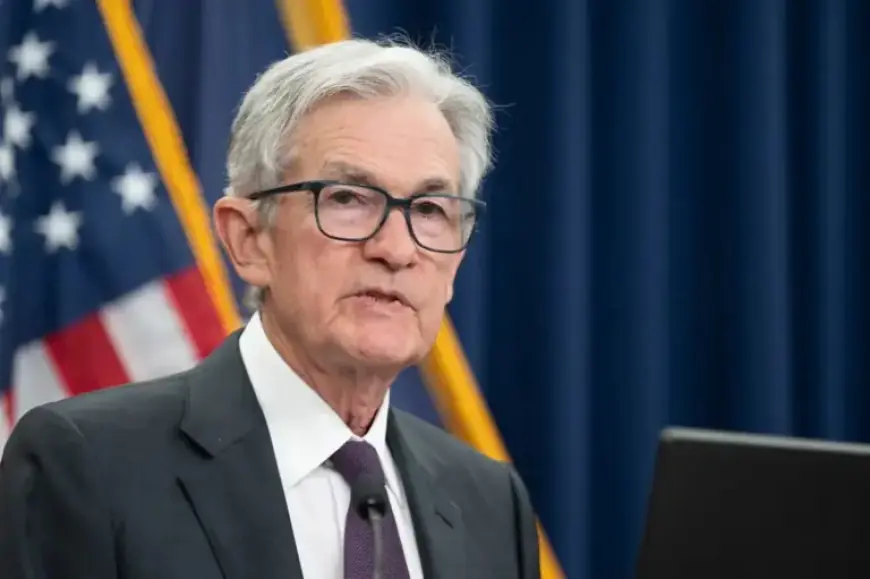
The notable rise in inflation may halt the Federal Reserve’s easing cycle and resurrect discussions of potential interest rate hikes. The stock market, which started 2026 at its second-highest valuation in 155 years, could face challenges if monetary policy shifts. Premium valuations may no longer be sustainable amidst changes led by Fed Chair Jerome Powell and other committee members.
As the outlook darkens, Wall Street remains cautious, grappling with rising inflation and geopolitical uncertainties.