

























Oman and Iran Discuss Strait of Hormuz Transit Concerns, Muscat Reports

Oman and Iran have initiated significant discussions regarding the transit of vessels through the critical Strait of Hormuz. These talks took place at the deputy foreign minister level, as reported by the Omani Foreign Ministry.
Key Discussions on Strait of Hormuz Transit
The meeting, held on April 5, 2026, involved undersecretaries from the foreign ministries of both nations. Experts participated in the discussions, contributing ideas to ensure a smooth passage amidst regional tensions.
Concerns Over Regional Tensions
During the meeting, various options were explored to facilitate transit through the Strait under the current circumstances. The strait serves as a vital conduit for approximately one-fifth of global oil supplies. Iran has implemented severe restrictions on this passage, especially in response to the ongoing US-Israeli conflict.
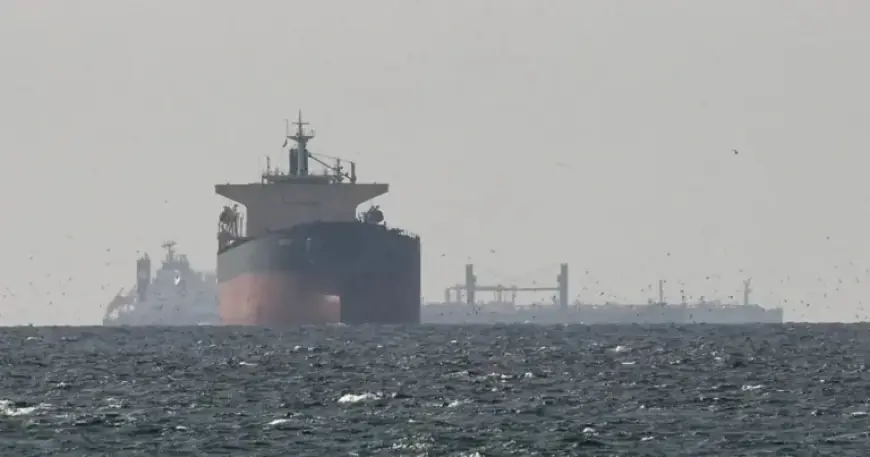
- Three Omani ships were recently reported navigating the Strait.
- The convoy included two large oil supertankers and one liquefied natural gas (LNG) carrier.
- The vessels were sailing close to the Omani coast, outside the designated ‘approved corridor’ near Larak Island.
Traffic Monitoring Protocol
Iran is reportedly drafting a protocol with Oman to monitor maritime traffic in the Strait of Hormuz. This comes in light of the increasing restrictions imposed by Iran, which has allowed only select vessels to pass, while approximately 3,000 other vessels remain stranded.
The Strait of Hormuz is a critical chokepoint for global energy shipments. Disruptions in this area affect oil and gas prices significantly, increasing volatility in the market and prompting countries to explore alternative energy sources. Recent comments from U.S. President Trump indicated serious consequences if the strait remains blocked.
International Reactions and Future Implications
In response to the escalating situation, Egypt’s Foreign Minister has engaged in discussions with U.S. and regional officials, exploring avenues for de-escalation. Experts emphasize that an expansion of the conflict could have dire consequences for the region.
The likelihood of a diplomatic resolution appears challenging at this point. Nevertheless, analysts suggest a negotiated settlement could be crucial for regional stability and international safety.