









Wartime Propaganda Returns: From Donald Duck to TikTok

Filmogaz.com reports that wartime propaganda has reappeared in a digital guise. Historical examples now sit alongside viral social media clips. The tools and tone have changed, but the tactic endures.
Animated Icons in World War II Efforts
Animated characters were central to wartime messaging during World War II. In January 1943, Disney released a short featuring Donald Duck enlisted against the Nazis.
The film depicted severe shortages and forced labor, only to reveal the scenario as a dream. It aimed to sell war bonds and won the Academy Award for Best Animated Short Film.
Decades later, that short was named among the 50 greatest animated films of all time. Other characters also appeared in government campaigns. Bugs Bunny promoted war bonds and satirized Hermann Göring. Popeye led anti-Japanese shorts. The Seven Dwarfs took part in Canadian propaganda. Minnie Mouse and Pluto advised housewives on conserving fat.
Comic-book icons joined too. Captain America, Superman, Batman, and Iron Man appeared in propaganda during World War II and the Cold War. These efforts emphasized collective purpose and mobilizing public support.
From Theaters to Social Feeds
Direct use of cartoon figures later declined. Recently, the White House began repurposing popular culture for messaging again. The approach now relies on short, viral memes suited to social platforms.
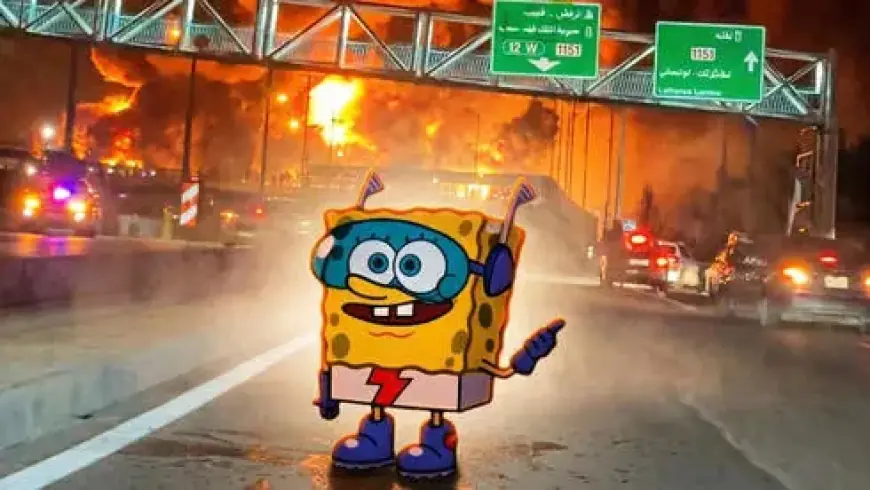
Earlier this month, the official White House account on X posted a 14-second clip. The video shows an aerial shot of a target hit in Iran, then a SpongeBob SquarePants clip asking, “Want to see me do it again?” The caption read, “No breaks, no apologies.”
On TikTok, the White House shared footage of missile launches and bombings in Iran. The post used the song “Fireman” and included footage of Donald Trump raising a fist above the caption: “The fireman is coming.”
Gaming and Movie Clips in Messaging
Video games and film clips now feature heavily in these posts. One TikTok paired battlefield footage with Wii Sports segments. Another post, since removed, used Call of Duty: Modern Warfare 3 footage.
A fast-paced 42-second video mixed bombing footage with scenes from Top Gun, Braveheart, Breaking Bad, Tropic Thunder, Superman, Transformers, Deadpool, and Star Wars. It ended with the words “flawless victory.”
That single video drew nearly 65 million views on X. The mashup format emphasizes spectacle, icons, memes, and music over narrative coherence.
Reaction and Historical Echoes
The use of pop culture for political ends is not new. Rulers have long leveraged familiar imagery. Alexander the Great famously minted coins showing himself as Hercules.
Some creators pushed back. Actor and director Ben Stiller asked the White House to remove the 42-second montage. He posted on X that his work was used without permission and wrote, “War is not a movie.”
Experts note a shift in purpose. World War II messaging aimed to mobilize broad public support. Today’s posts appear more personalized and partisan. They may energize core supporters in the short term, but their long-term effectiveness is uncertain as the conflict and its economic effects continue.