
























Hegseth Dismisses Army Chaplain Raised on Hilton Head

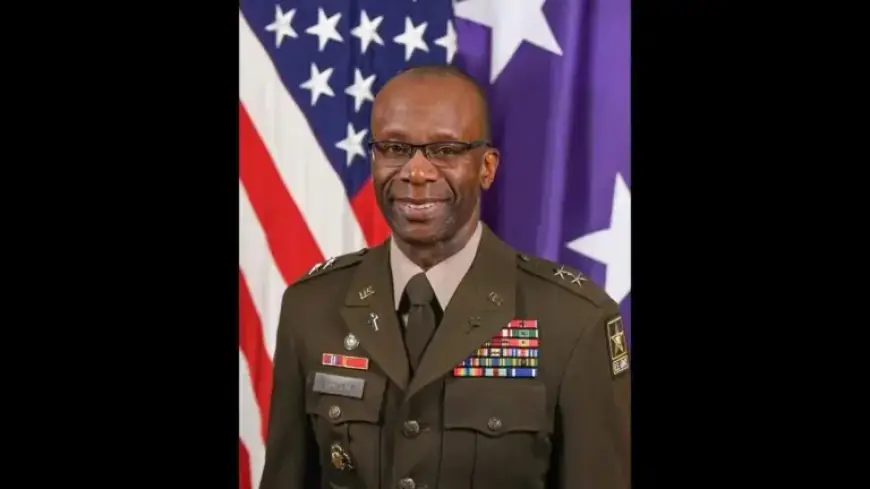
Major General William Green Jr., who was raised on Hilton Head Island, has been relieved of his position as the U.S. Army’s chief of chaplains. This decision was part of a series of dismissals orchestrated by Defense Secretary Pete Hegseth.
Dismissal of Army Chaplain
On April 4, 2026, Hegseth removed Green along with two other high-ranking Army officers, General Randy George and General David Hodne. George, the Army’s top general, was asked to retire, while Hodne, who had only recently taken charge of the Training and Transformation Command, was also dismissed. These changes come during ongoing military operations against Iran, leading to concerns among U.S. officials regarding the stability of military leadership.
Background of Major General William Green Jr.
- Born in Savannah, Georgia, and raised on Hilton Head Island.
- Became the 26th Chief of Chaplains in December 2023.
- Third Black leader of the Army Chaplain Corps.
- Graduated from Savannah State University in 1989 with a degree in criminal science.
- Commissioned as an Army chaplain in 1994 after earning a Master of Divinity from Emory University.
- Served in key leadership roles and deployed to Bosnia and Iraq.
Green’s commitment to ministry was inspired by the late Rev. Ben Williams, a prominent pastor in Hilton Head. He dedicated his life to providing spiritual support to military service members and their families.
Outcry from Officials
The dismissal of General Green has sparked significant criticism. Senator Chris Coons expressed his outrage on social media, stating, “Secretary Hegseth fired the head of the Army Chaplain Corps without explanation.” He highlighted Green’s distinguished service and the importance of experienced leadership during military conflicts.
Coons further noted the risks associated with removing senior leaders amid an ongoing war. He emphasized the need for “trusted leadership” in these challenging times.
As Defense Secretary Hegseth continues to alter military leadership, many remain concerned about the implications for national security and military morale. The ongoing situation raises critical questions about the decision-making processes and motivations behind the recent changes.