
























Trump Seeks Court Approval to Resume White House Ballroom Construction

The Trump administration is seeking court approval to resume construction on a contentious ballroom project at the White House. This request comes after a judge’s ruling halted the project due to concerns over the need for congressional approval. The administration contends that completing the ballroom is critical for national security.
Court Motion and National Security Concerns
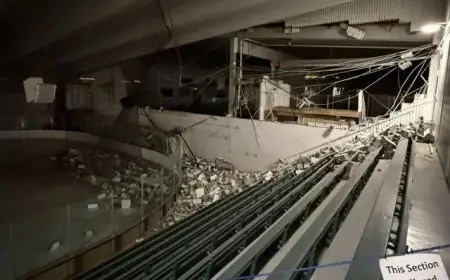
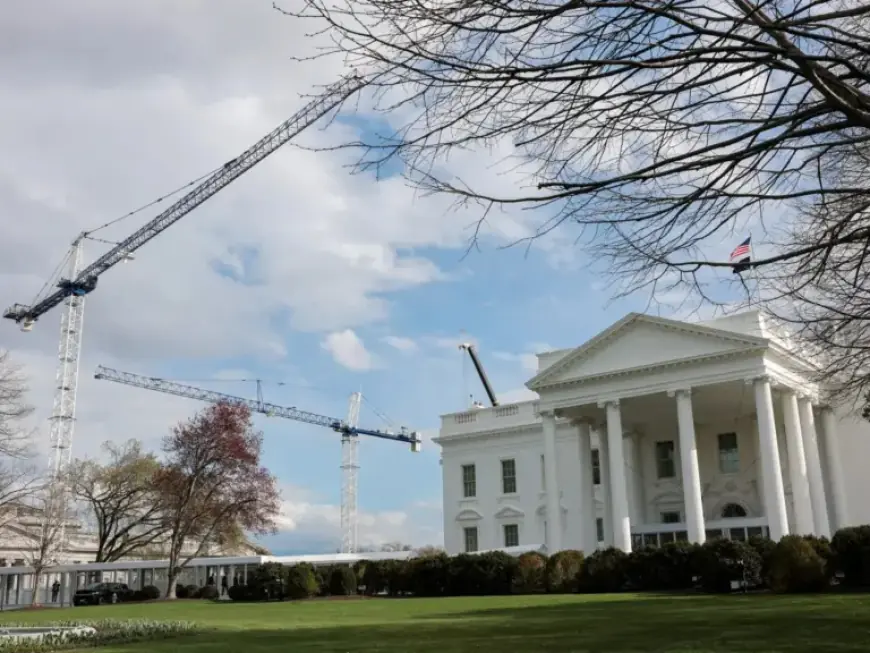
On Friday, lawyers for President Donald Trump and the National Park Service filed an emergency motion. They criticized the court’s decision to pause construction, describing it as “shocking, unprecedented, and improper.” The filing highlights a “massive excavation” site adjacent to the White House, which could potentially harm national security.
- The court-ordered suspension poses risks to the White House, the President, and his staff.
- The motion states that deep excavations and foundations have already been established.
- Proposed security features include drone-proof roofing and bullet-resistant glass.
Previous Court Rulings and Public Outcry
The court’s intervention followed a ruling by Judge Richard Leon, who determined the need for congressional authorization for such disruptive renovations. His March 31, 2023 ruling was detailed in a 35-page document emphasizing that the White House is a public trust for future generations, not a property for personal alterations.
Judge Leon acknowledged national security concerns but criticized the administration’s arguments as insufficient. He remarked that any danger posed by the current construction site was a result of the administration’s decisions. The judge allowed limited construction to ensure safety but mandated that further work be approved by Congress.
Background on the Ballroom Plans
Trump’s plans for the ballroom have faced significant backlash from historic preservation advocates and architects. Initially, he announced that the renovation would respect existing structures, notably the East Wing, built in 1902. However, the East Wing was unexpectedly demolished in October 2022, leading to public protests and subsequent legal challenges.
The National Trust for Historic Preservation, a nonprofit organization, has taken legal action against the ballroom project citing the lack of proper authorizations. Public sentiment against the project has been fueled by concerns regarding the historical integrity of the White House grounds.
Financial Aspects and Project Growth
Since Trump first proposed the ballroom, the estimated cost has grown significantly from $200 million to nearly $400 million. The planned structure will span approximately 90,000 square feet, which raises concerns about its scale in relation to the existing White House. Critics argue that funding the project through private donations could compromise ethical standards and invite undue influence.
Recent Developments
Despite the challenges, the ballroom project has received approval from commissions aligned with Trump. The Commission of Fine Arts gave its backing earlier this year, followed by a favorable vote from the National Capital Planning Commission this past week. The ongoing developments in the ballroom’s design continue to attract scrutiny and debate.