


















Brian Cox Refreshes Hollywood with Bold Critiques of Dull Celebrities

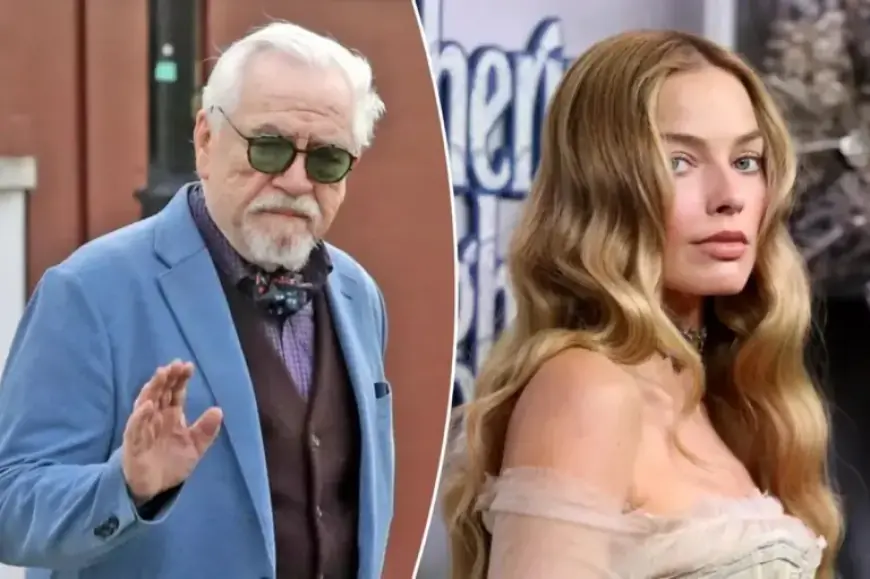
Brian Cox, the acclaimed star of “Succession,” is known for his unfiltered and bold critiques of Hollywood figures. At 79 years old, he has become a refreshing voice, breaking away from the standard celebrity norms that often cater to a sanitized image. His frank comments provide a stark contrast to what is typically seen in today’s entertainment landscape.
Brian Cox’s Bold Critiques of Hollywood
Cox was recently interviewed by The Times of London, where he didn’t hold back about his fellow actors and directors. For instance, he described Margot Robbie as “too beautiful” to portray Cathy in “Wuthering Heights” and criticized her accent. He also called out Quentin Tarantino, stating, “What you see is all Quentin Tarantino,” expressing disappointment over the director’s approach to guiding actors.
Targeting Other Celebrities
Cox’s critiques don’t stop with Robbie and Tarantino. His past comments have included remarks aimed at Johnny Depp and Ian McKellen, and he has also taken aim at his own “Succession” co-star, Jeremy Strong, for his method acting. Such comments have sparked debates on the authenticity and credibility of modern-day celebrities, which he believes are overly polished and scripted.
The Shift in Celebrity Discourse
In the past, outspoken celebrities like Bette Davis and Joan Rivers thrived on their honesty and candidness. Davis famously criticized Joan Crawford during an appearance on “The Tonight Show,” exemplifying the rawness that once characterized Hollywood interactions.
However, today’s stars often adhere to strict media training protocols. Interviews routinely feature rehearsed anecdotes and safe subjects, leaving audiences craving genuine conversations. This safe approach turns the entirety of celebrity media into predictable content.
The Hunger for Authenticity
- Actors frequently avoid pressing topics that reveal their true thoughts.
- Public discourse among celebrities has become increasingly cautious.
- Fans often recall more dynamic moments from the past than current conversations.
Despite the broad expectations from their publicists, there is a clear desire among fans for more authenticity. This was evident during the Oscars week when Timothée Chalamet made headlines with his off-the-cuff remarks about opera and ballet, generating widespread discussion.
Conclusion: The Case for Honesty
Cox exemplifies a refreshing candor that contrasts sharply with the robotic nature of many modern celebrities. His approach highlights the distinction between genuine artistry and the manufactured personas that dominate Hollywood today. As he stated, “F—k it! I’m gonna say what I want to say,” underscoring the need for more voices like his in the industry.