























Rising Fuel Costs Hit B.C. Services: Food Banks and Grocers Struggle

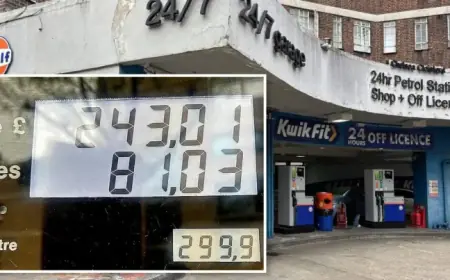
Rising fuel costs are significantly impacting services across British Columbia, particularly food banks and grocery stores. The increase in gas prices is leading to heightened demand for emergency support and food assistance.
Impact on Food Banks
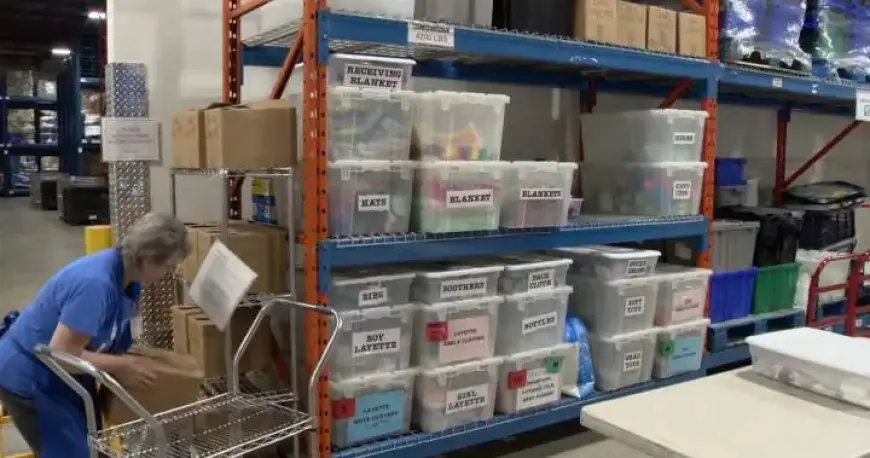
According to Kim Savage, the executive director of Surrey Food Bank, there has been a noticeable increase in individuals seeking assistance. Savage noted that many people are overburdened financially. Higher fuel costs are not only affecting transportation but also causing food prices to rise throughout the supply chain.
Increased Demand for Emergency Support
Nicole Mucci from the Union Gospel Mission echoed these sentiments. She reported a significant rise in the number of clients seeking emergency hampers for the first time. The combination of high gas prices and economic pressures is prompting more residents to seek help.
Challenges for Independent Grocers
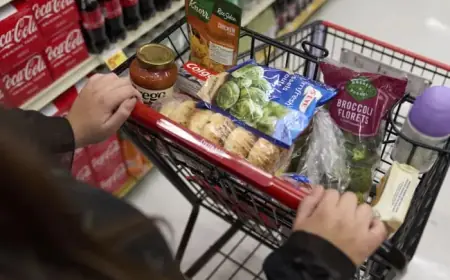
The Canadian Federation of Independent Grocers has also raised concerns about increasing operational costs. Suppliers are warning of upcoming price hikes and fuel surcharges, which can be devastating for independent grocers operating on already tight margins.
- Independent grocers typically operate on margins as low as 2%.
- Double-digit price increases are anticipated from suppliers.
Strained Household Budgets
The situation is compounded for households struggling with affordability. The Surrey Food Bank revealed that demand has surged by 50% compared to two years ago. The continued rise in living costs is leading to an ongoing struggle for many families in the region.
Conclusion
As rising fuel costs continue to impact services in British Columbia, food banks and grocery stores may face even greater challenges ahead. Communities are urged to stay informed and support local organizations dedicated to helping those in need.