























Trump Proposes TSA Privatization: Implications Explained

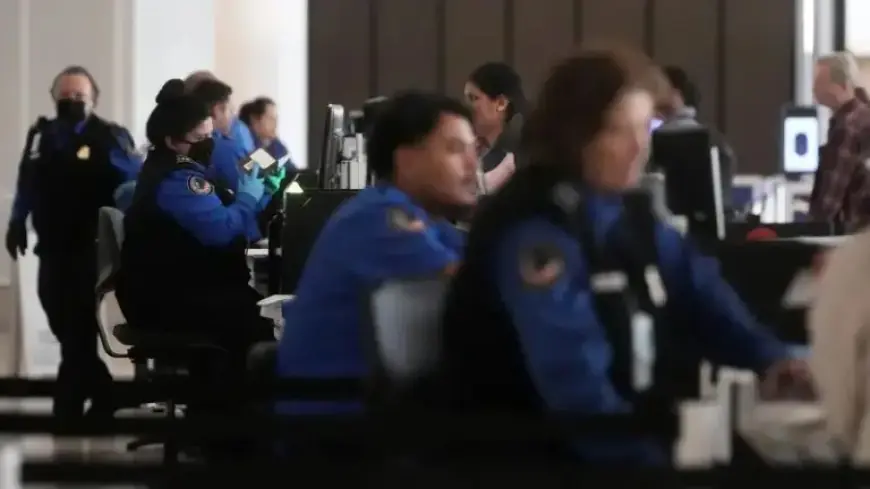
President Trump has proposed a significant shift regarding airport security by suggesting the privatization of the Transportation Security Administration (TSA). His new budget plan for 2027 indicates plans to allow private companies to take charge of airport screening processes.
Details of the Privatization Proposal
This budget proposal, part of an annual submission from the Office of Management and Budget to Congress, is seen as a reflection of the president’s focus for the upcoming fiscal year. It has gained attention recently, particularly as long lines at airport checkpoints increased due to the ongoing partial government shutdown, which resulted in TSA employees missing paychecks.
Key Points of the Proposal
- The proposal suggests that small airports must enroll in the TSA’s Screening Partnership Program.
- Under the program, TSA would finance private screeners at these airports.
- The estimated savings from this transition is projected at $52 million.
Currently, 20 airports are operating security checkpoints via private companies under TSA supervision, including well-known locations like San Francisco International and Kansas City International. This approach has reportedly allowed these airports to maintain operations smoothly during recent disruptions.
Benefits of Privatization
Proponents of airport security privatization argue that it protects airport staff and travelers from being impacted by congressional disputes over funding. Private companies have shown resilience by preventing large-scale worker absences during the government shutdown.
Expert Opinions on Privatization
Experts like Sheldon Jacobson from the University of Illinois have noted that privatized companies can maintain normal operations even amid government dysfunction. Companies like BOS Security, which operates at Tupelo Regional Airport in Mississippi, stress the importance of consistent pay for employees during government shutdowns.
Comparative Frameworks
Privatizing portions of aviation security is not a novel idea. For instance, NAV CANADA has managed its air traffic control since its privatization in 1996, and many European countries employ private screeners at airports. Currently, U.S. airports can opt for private screening by applying to TSA, which can approve contracts within a year.
Concerns from the Workforce
The American Federation of Government Employees (AFGE), representing around 47,000 TSA officers, has expressed concerns regarding potential privatization. They fear that such a move would lead to compromised safety standards while incentivizing companies to prioritize profit over passenger security.
Opposition to Privatization
- Union leaders argue that contracts awarded to the lowest bidder may threaten public safety.
- The union emphasizes that past experiences show privatization often prioritizes profit over security.
Previously, all airport security in the U.S. was managed by private companies prior to the implementation of TSA after the 9/11 attacks. Trump’s previous budget proposals have indicated a desire to cut TSA funding and reduce the workforce, citing inefficiencies and failures within the agency.
Projected Outcomes from the Budget Proposal
The proposed budget asserts that privatizing TSA functions could lead to considerable savings, estimating a cost reduction of 15% to 20%. There are forecasts that customer service levels could improve with this transition.
As the situation develops, the impact of Trump’s privatization proposal for TSA remains a significant discussion point in aviation security and budget management.