





















B.C. Targets 75% Zero-Emission Vehicle Sales by 2035: Can They Achieve It?

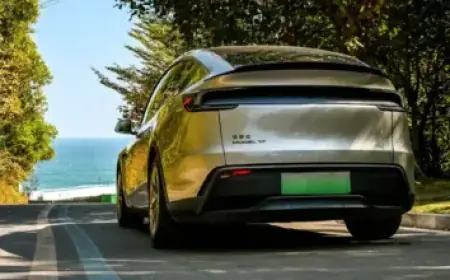
British Columbia (B.C.) is set to revise its electric vehicle (EV) sales mandate. The province aims for 75% of vehicle sales to be zero-emission by 2035. This revision marks a significant shift from its earlier target of 100% compliance.
B.C.’s EV Sales Revision
The changes to the mandate are intended to align with federal goals. The Ministry of Energy and Climate Solutions announced these updates, focusing on easing the regulatory burden on automakers.
New Public Charging Infrastructure
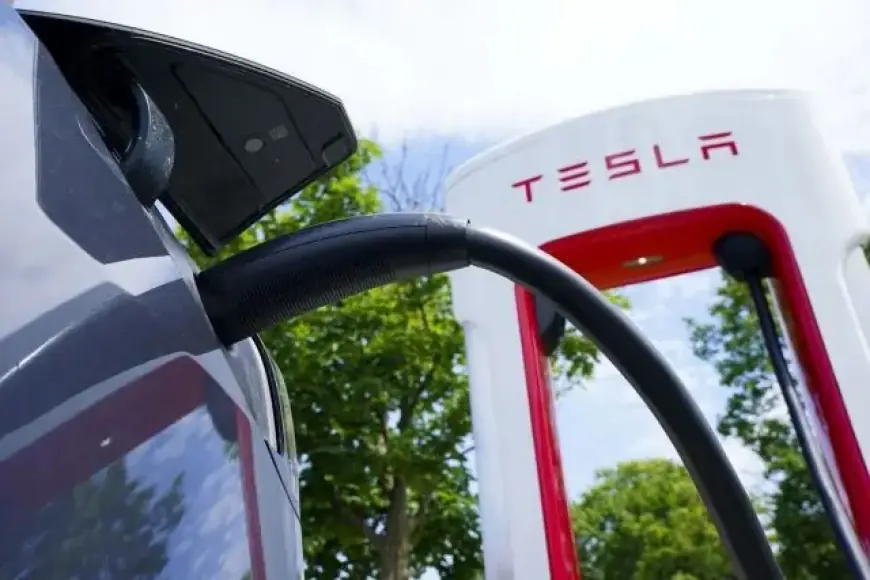
As part of this initiative, B.C. plans to fund 75 new public charging projects. This will support EV users across the province and enhance charging accessibility.
Statements from Officials
Energy Minister Adrian Dix expressed that the changes will provide consumers and the industry with more options. The ministry also emphasized that regulatory adjustments recognize current challenges, including slow consumer adoption.
Future Expectations
The amendments are expected to be in place by fall 2026. The existing requirement for 26% sales compliance for 2026 and 2027 will remain unchanged. Additionally, targets for 2028 to 2030 will be developed based on forthcoming federal plans.
B.C.’s Historical Commitment
In 2019, B.C. became the first region globally to legislate a 100% zero-emission vehicle sales target. This initial commitment was part of the province’s aim to reduce greenhouse gas emissions significantly.
Key Takeaways
- New mandate: 75% zero-emission vehicle sales by 2035.
- Funding for 75 new public charging stations.
- Legislative amendments expected by fall 2026.
- Maintains 26% sales compliance for 2026 and 2027.
As B.C. progresses toward this revised goal, it remains to be seen how effective these measures will be in enhancing EV adoption among consumers.