



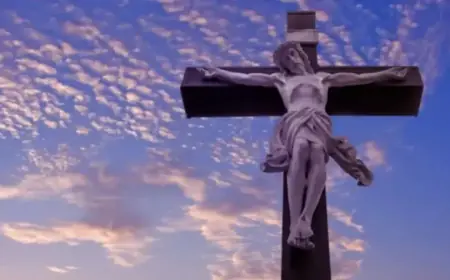





















Easter 2026: Unveiling Good Friday’s Historical Significance

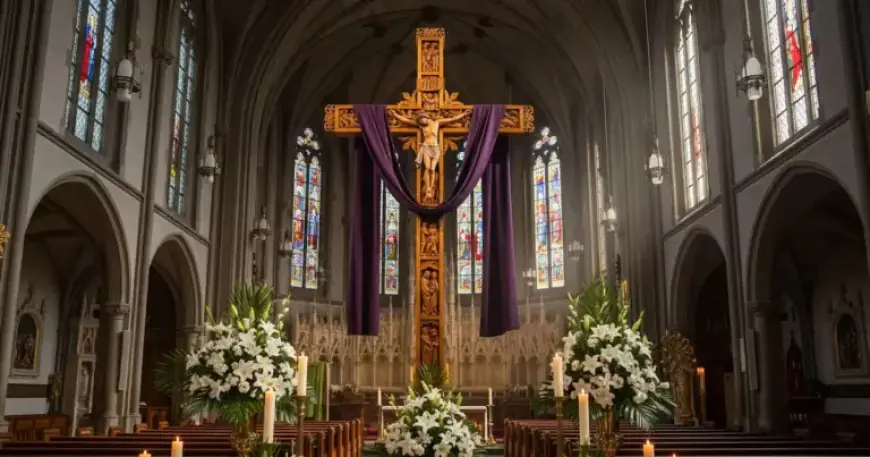
Holy Week ranks among Christianity’s most solemn observances. Good Friday sits at its spiritual center and recalls Jesus’ crucifixion in Jerusalem.
As Easter 2026 draws near, scholars and faithful revisit Good Friday’s historical significance. The day shapes public worship and private reflection worldwide.
Events described in the Gospels
According to the Gospels, Jesus was arrested and brought before the Roman prefect Pontius Pilate. Pilate judged him and ordered his execution.
Witnesses describe Jesus stripped, mocked with a crown of thorns, and made to carry his cross. He was led to Golgotha and crucified beside two condemned men.
Key figures and moments
Judas Iscariot arranged Jesus’ betrayal for thirty pieces of silver. The Last Supper preceded the arrest and the prayer in the Garden of Gethsemane.
Contemporary reports and historical summaries note the charge that Jesus proclaimed himself King of the Jews. That accusation formed the legal basis for the crucifixion.
Liturgical practices on Good Friday
In many Christian traditions, no Mass is celebrated on Good Friday. Worship centers on the Liturgy of the Passion and the reading of the Gospel accounts.
Communities venerate the cross during services. The hosts used that day were consecrated on the previous feast, according to liturgical practice.
Abstinence from meat commonly marks the day. The practice functions as penitence and echoes the forty-day Lenten fast.
Symbolism and ritual color
The liturgical color for Good Friday is red. The hue evokes the blood shed during the Passion.
Silence and solemnity distinguish observances. Many congregations observe a subdued atmosphere throughout the day.
Devotions and public expressions
The Via Crucis, or Stations of the Cross, remains a widespread devotion. It traces fourteen stations that mark stages on Jesus’ path to Golgotha.
Processions and stops at each station invite prayer and meditation. Local customs adapt these rites into varied cultural performances.
Across countries, Holy Week has produced diverse traditions. Some are solemn, while others blend liturgy with strong community participation.
Sequence of Holy Week days
- Palm Sunday: Jesus’ entry into Jerusalem amid crowds waving palms.
- Holy Monday: Teachings and authoritative moments attributed to Jesus.
- Holy Tuesday: Debates and controversies with religious leaders.
- Spy Wednesday: The betrayal agreement by Judas Iscariot.
- Maundy Thursday: The Last Supper, Eucharist institution, and Jesus’ arrest.
- Good Friday: The passion, trial, and crucifixion of Jesus.
- Holy Saturday: Vigil, mourning, and waiting at the tomb.
- Easter Sunday: Celebration of the resurrection, central to Christian faith.
Date and wider customs
Easter falls on the first Sunday after the first full moon following the spring equinox. That calculation sets the movable date each year.
For example, Reuters reported that Easter in 2025 occurred on April 5. Communities mark the day with vigils, joyous services, and family meals.
Popular customs include exchanging decorated eggs. Those rituals symbolize renewal and new life across cultures.
As believers prepare for Easter 2026, attention to Good Friday’s historical and spiritual meaning intensifies. Reflection connects the past with present acts of faith.