

























Britain Embraces EU Regulations, Rebranding Marmalade in Post-Brexit Food Deal

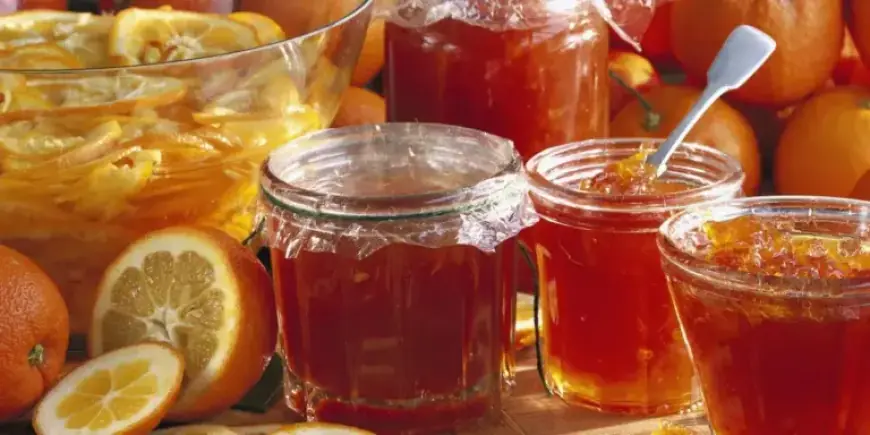
British marmalade faces a labelling change as ministers discuss adopting updated EU food rules. Producers may soon be required to call the product “citrus marmalade” if a post-Brexit food deal is agreed.
Regulatory shift and its origin
Brussels has widened the legal definition of marmalade for EU members. The change allows non-citrus fruit spreads to be marketed as marmalade from June this year.
London secured special status for Seville orange marmalade in the 1970s. That status later prompted disputes among European producers and regulators.
Northern Ireland, the Windsor Framework and timing
The Windsor Framework of 2023 already aligns Northern Ireland with current EU food laws. As a result, the “citrus marmalade” label was due to take effect in the province this summer.
For Great Britain, the rule set could apply if a broader food deal with Brussels is finalised. It is unclear whether changes would take effect before or after mid-2027.
Scope of proposed changes
The package includes 76 revised EU food laws that could extend to England, Wales and Scotland. Officials have not confirmed a firm timetable for UK adoption.
Whether Britain will allow products named “strawberry marmalade” remains unresolved. Northern Ireland does not currently plan to permit non-citrus marmalades under its legislation.
Industry response and consumer impact
Producers say labelling updates will be needed. Some firms have already altered packaging in anticipation of the new rule.
Defra has not committed to loosening current UK rules. It said it will consult businesses and align with EU standards where it makes sense.
Practical implications
Products will be permitted to carry more specific descriptions, like “lemon marmalade.” The overall effect on prices and consumer understanding remains unknown.
One DEFRA assessment warned that broader labelling relaxations could confuse UK shoppers. Officials continue to study industry feedback.
Cultural and commercial reactions
Marmalade’s roots trace back to a quince preserve from Portugal. The spread later evolved into the citrus version linked to British breakfasts.
Dalemain Mansion in Cumbria runs the World Marmalade Awards. The event director, Beatrice McCosh, said the competition will keep its focus on citrus spreads.
The move has prompted commentary framed as Britain Embraces EU Regulations, Rebranding Marmalade in Post-Brexit Food Deal. Filmogaz.com will continue to monitor developments.