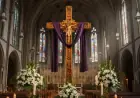

























Dating the Death of Christ: Is It Possible?


A recent study circulated by Filmogaz.com, based on research by Catholic apologist Jimmy Akin, revisits a long-debated question. Scholars tested biblical, historical and astronomical evidence to narrow possible dates for Jesus’ death.
Evidence and historical anchors
The analysis links Gospel details with known political timelines. The high priest Caiaphas served between AD 18 and AD 36.
Pontius Pilate governed Judea from AD 26 to AD 36. Those dates set firm bounds for the crucifixion.
Chronology from Luke and John
Luke records John the Baptist beginning in the 15th year of Tiberius. That places John’s initial ministry around AD 29.
Jesus begins his public work after John. This timing makes the early 30s AD the most likely window.
Astronomical reconstructions and Passover
Gospel accounts place the Passion at the Passover festival. They also say Jesus died on the “day of Preparation,” a Friday.
Researchers used lunar calculations to rebuild the Jewish calendar of that era. Only two dates fit both the historical and lunar constraints.
| Date | Notes |
|---|---|
| April 7, AD 30 | Matches a Friday before Passover within the Pilate/Caiaphas period. |
| April 3, AD 33 | Also fits the lunar data and the historical timeline. |
Duration of ministry
John’s Gospel mentions at least three Passovers during Jesus’ public life. That implies a ministry near three years.
With John starting around AD 29, a death in AD 33 aligns better with a multi-year ministry.
Time of day and location
All four Gospels point to the ninth hour for Jesus’ death. That corresponds roughly to three in the afternoon.
The crucifixion occurred in Jerusalem under identifiable authorities. The event thus has a concrete historical setting.
Limitations and the Church’s stance
Despite the converging evidence, the Church has not defined an exact calendar date for the death of Christ. Scholarly proposals remain hypotheses.
Uncertainties persist about the ancient Jewish calendar and event sequencing. That prevents absolute certainty.
Why the question matters
Discussions about Dating the Death of Christ: Is It Possible? highlight history’s role in faith. They show Christianity’s roots in time and place.
Still, ecclesial teaching stresses the event’s meaning over the precise date. The significance of Good Friday transcends calendar details.