

























Georgia House Approves Property Tax Overhaul, Senate Blocks Measure

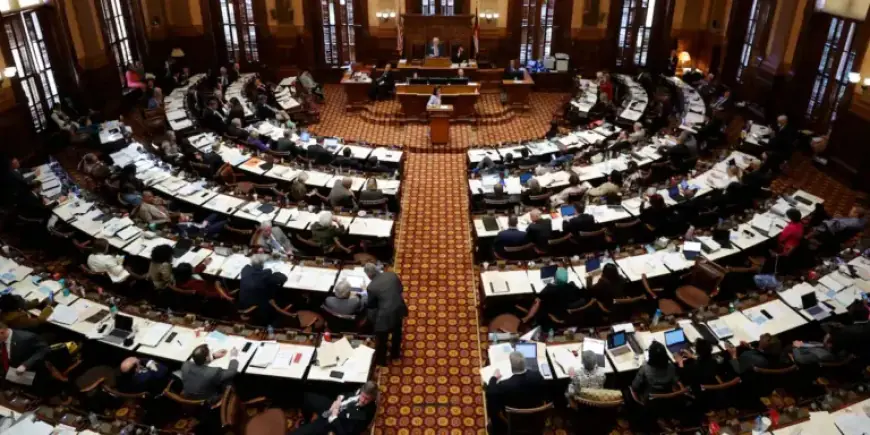
The Georgia House approved a sweeping rewrite of property tax law this week, but the Senate initially blocked the measure. Lawmakers advanced a new funding option for homestead exemptions. The bill is formally House Bill 1116.
What the bill would do
HB 1116 is called the Homeownership Opportunity and Market Equalization Act of 2026. It creates a Local Homestead Option Sales Tax, or LHOST. The LHOST would allow a 1% countywide sales tax inside a special district to fund homestead exemptions.
Collections would be held in trust. Funds would then be distributed to eligible local governments. Supporters say the plan gives local officials tools to lower homestead property taxes and cap annual increases.
How LHOST distributions would work
County tax commissioners would calculate exemption amounts each year. Calculations would rely on sales tax proceeds available as of Aug. 1 and the millage rates adopted by local governments. If collections exceed what is needed, the surplus would reduce millage rates across the district by the same percentage.
The bill defines homestead as a primary residence and up to five contiguous acres. It also sets rules for where the sales tax applies and limits for items such as food, alcohol and motor fuel.
Budget and voter-approval changes
Starting in 2027, some local budget increases would require voter approval. That would apply when projected property tax revenue rises above a threshold tied to the greater of 3% or inflation. Exceptions include economic growth and declared emergencies.
The measure also restricts the timing of some revenue-related special elections. Advocates say those provisions increase taxpayer protections and transparency.
Protections and administrative changes
The bill would bar tax officials from retroactively billing homeowners for additional property taxes. That protection applies when a homestead exemption was granted improperly without taxpayer fault. The measure also updates rules for advertising and notifying taxpayers about proposed millage rate increases.
Assessors would have clarified authority to request income and expense data for income-producing properties. The legislation includes confidentiality protections for that information.
Legislative path and votes
The House approved HB 1116 earlier in the week. The Senate rejected the House-passed bill by a 28-24 vote on Thursday night, just before adjournment. Legislators then used a separate bill, SB 33, as a vehicle for the property tax language.
Senators stripped SB 33 of its prior content on synthetic THC and inserted the HB 1116 language. The revised SB 33 passed the Senate and returned to the House for further consideration.
Timing and implementation
The sales-tax option would take effect Jan. 1, 2028, if enacted. Other provisions, including certain voter-approval rules, would begin in 2027. Local approval through legislation and voter referendums would be required before counties implement the sales-tax option.
- Bill: House Bill 1116, Homeownership Opportunity and Market Equalization Act of 2026
- New option: Local Homestead Option Sales Tax (LHOST) — 1% countywide
- Effective date for LHOST: Jan. 1, 2028
- Voter-approval threshold starts: 2027
- Senate vote rejecting HB 1116: 28-24
Filmogaz.com will follow legislative developments as the revised bill moves between chambers. Lawmakers must still reconcile changes before the measure can become law.