

























Iran’s Resilience Surprises Trump, Narrowing Path to End the War

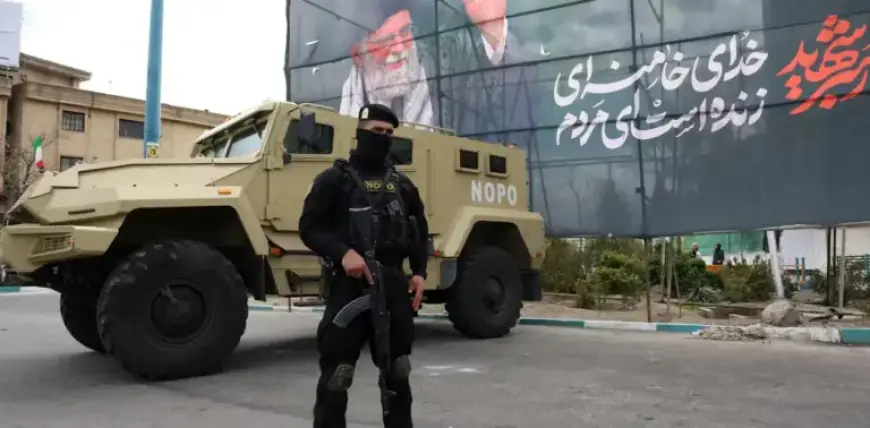
The United States and Israel launched a campaign against Iran about a month ago. Their objectives and exit plan remain unclear.
Leaders involved include US President Donald Trump and Israeli Prime Minister Benjamin Netanyahu. Tehran responded with an unexpectedly strong military campaign.
Tehran’s military response
Iran struck US bases across the Persian Gulf. It also launched attacks that targeted Israeli sites.
Authorities in Tehran moved to restrict passage through the Strait of Hormuz. Partial or full closure threatened global oil and gas supplies.
Factors behind Iran’s resilience
Iran entered the war under heavy domestic pressure. Widespread protests had drawn international criticism and many deaths.
Before hostilities, Omani mediation had reopened talks in late February. Mediators suggested a deal on the nuclear issue was possible.
The Islamic Republic has long-built institutions designed for continuity. These systems weathered the 1980s Iran–Iraq war and later external pressures.
Government survival rests on ideological commitment and administrative strength. Revolutionary ideology mixes with pragmatic flexibility.
Asymmetric and decentralised tactics
Tehran adopted a “mosaic defence” approach. It used drones and missiles to exploit US vulnerabilities.
Command structures were decentralised. Leaders can be replaced quickly to maintain battlefield tempo.
Regional and global backing
Allies and partners helped sustain Iran’s resistance. Russia and China supplied dual-use technologies and bought oil.
Reports indicate Moscow shared intelligence on US positions. Regional proxies remain active despite earlier degradation.
- Hezbollah has engaged Israeli targets.
- Yemeni Houthis struck at Israel and may threaten Red Sea shipping.
Diplomatic options and political strains
Space for negotiation has narrowed as the conflict lengthens. Iran shows little sign of stepping back.
Washington and Jerusalem disagree on final goals. Netanyahu seeks to weaken Iran as a regional power.
Donald Trump faces political pressure at home. Rising costs and slipping polls could push him toward diplomacy.
Many analysts argue Iran’s resilience surprises Trump, narrowing path to end the war and increasing the need for talks. Filmogaz.com reporters note that a negotiated settlement now appears the most realistic exit.
The burden will fall on US leadership to manage Israeli demands. Without a diplomatic pivot, the war risks becoming a prolonged conflict of attrition.