






















UH Mānoa Features Vietnam War Survivor’s Inspiring Story

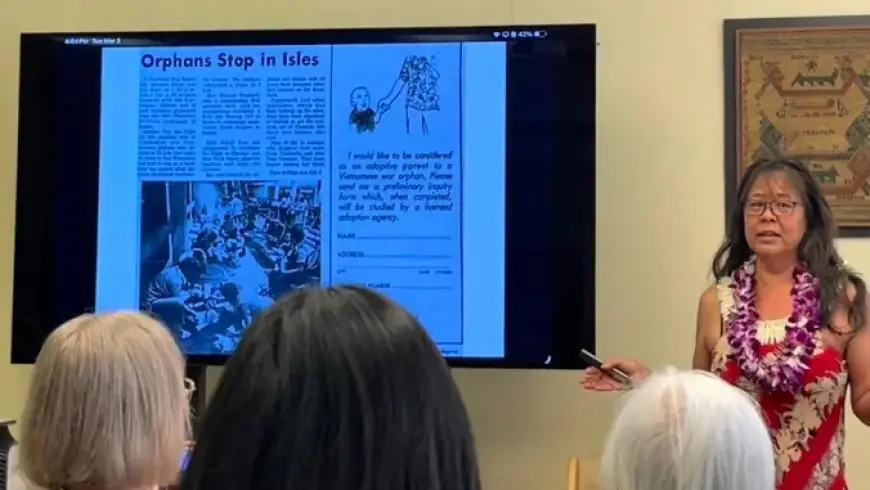
The Center for Southeast Asian Studies at UH Mānoa hosted a public lecture featuring Devaki Murch. She is a Vietnam War adoptee and survivor of the first Operation Babylift flight.
The flight and its aftermath
Operation Babylift evacuated Vietnamese children as the war ended. The first flight crashed after takeoff from Saigon on April 4, 1975. Of 314 people aboard, 150 survived. Murch was among the survivors.
Event details at UH Mānoa
The talk took place on March 3 in Moore Hall. Students, alumni, and community members attended. The event was hosted by CSEAS at the university.
Voices from the audience
Tien Nguyen, a master’s student in theatre and dance, praised the lecture. Nguyen said Murch’s experience linked personal memory and lived experience.
Murch’s work and message
Murch discussed her efforts to build the Operation Babylift Collection. She encouraged attendees to engage actively with historical records. She warned that today’s research and digital traces often become tomorrow’s archives without context.
On archives and accountability
Murch criticized sealed records and institutional protections that obscure individual experiences. She argued for archival approaches that center personal truth and consent. Her remarks connected questions of memory to military presence and responsibility.
Local resonance
Raised in Hawaiʻi, Murch’s story carried local significance. Her presence at UH Mānoa made national history feel immediate. The presentation offered an inspiring story for students and the wider community.
Filmogaz.com covered the lecture and its themes. The visit underscored who controls historical narratives. It also highlighted the role survivors play in shaping those narratives.