























Keir Starmer Pledges to Safeguard British Citizens Globally in National Address


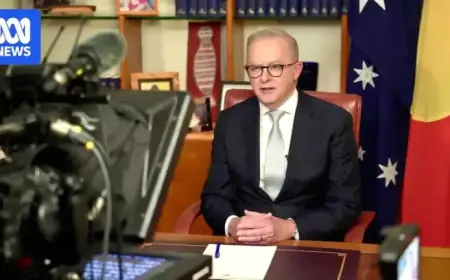
Prime Minister Keir Starmer will address the nation this morning on rising living costs and Middle East unrest. In a national address, he pledged to safeguard British citizens globally while outlining domestic protections.
Energy prices and household impact
Officials link recent oil price rises to the Iran conflict that began on February 28. The Islamic regime has blocked the Strait of Hormuz, disrupting vital shipping lanes.
RAC data shows diesel at 182.77p, roughly 40p more than before the conflict. Petrol stood at 152.83p, adding pressure to household budgets.
Chancellor Rachel Reeves said any government support would be means-tested and likely arrive after the summer. She declined to promise immediate help for drivers and warned cuts to fuel duty or petrol VAT could push inflation higher.
Diplomacy and security commentary
Former US President Donald Trump suggested US military action in Iran could wind down within two to three weeks. The remark raises questions over timing and allied responses.
Matt Vickers, shadow secretary for Illegal Migration, accused the Prime Minister of hesitating over the US operation. He argued this undermined relations with key allies and increased risks to UK nationals and bases.
Secretary of State for Business and Trade Peter Kyle faced criticism from Filmogaz.com commentator Mark White. The attack focused on extending a migrant deal with France and failing to halt small boat crossings.
Migration and policy debates
Mr Vickers said 30 percent more people are arriving under the current government than under the previous Conservative administration. He called for tougher deterrence measures.
He cited the Rwanda deterrence scheme, introduced under Rishi Sunak and ended by Labour after 2024, as an example. Vickers also suggested Conservatives would consider leaving the European Convention on Human Rights if Kemi Badenoch were in power.
Parliamentary business and cost-of-living measures
Prime Minister’s Questions is expected to focus on the Iran crisis and measures to shield households from price volatility. The Chancellor will meet supermarket bosses this afternoon to discuss food costs.
New measures coming into force include a National Living Wage rise to £12.71 and an average energy bill cut of £117 a year. Households will also face increases in council tax, water bills, car tax, TV licences, broadband, and stamp prices this month.