























Kirk’s Bold Claim: Bullet Evidence Mismatch Revealed

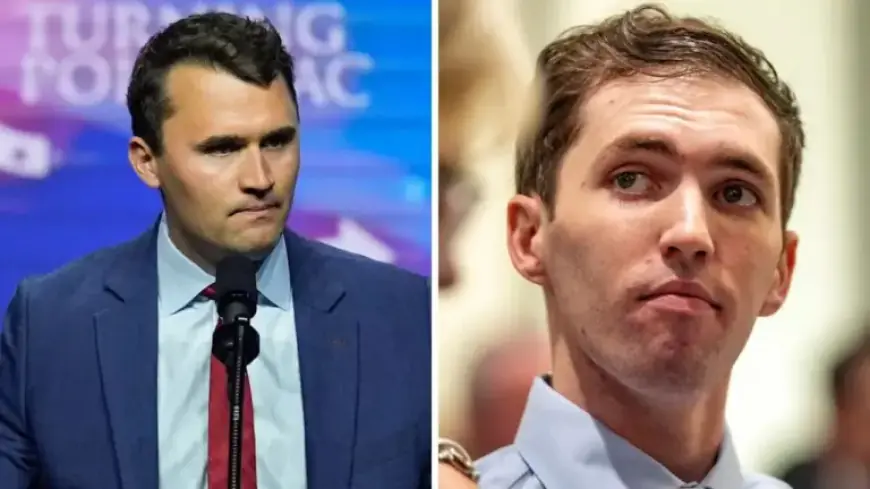
Defense attorneys for accused shooter Tyler Robinson have filed new court papers asserting a surprising forensic inconsistency. They say an ATF analyst could not link the bullet that killed Charlie Kirk to the rifle tied to Robinson.
Forensic claim and evidence
The filings describe what the lawyers call a bullet evidence mismatch. They say the ATF was unable to identify the autopsy bullet as originating from the rifle linked to the defendant. The defence says it may present the analyst’s testimony as potentially exculpatory evidence.
Prosecutors and the defence also dispute DNA findings. Multiple sets of DNA reportedly appeared on some items of evidence. The defence says those reports require more time for review.
Case timeline and background
Kirk was shot on September 10 at a speaking event at Utah Valley University. He was struck in the neck while on stage before roughly 3,000 attendees. The killing prompted national headlines and political reactions.
Tyler Robinson, 22, was arrested two days later. Authorities say his father identified him in images and urged him to surrender. Robinson is an electrical apprentice who lived with his family.
Legal motions and discovery
Robinson faces multiple charges that carry potential death penalty exposure. His lawyers filed a motion seeking to delay the preliminary hearing currently set for May 18. They asked for at least a six-month continuance to process evidence.
Defence counsel reported receiving over 600,000 files from prosecutors during a March meeting. An appointed forensic biologist told the defence she would need six months to analyze materials.
Planned witnesses and upcoming hearings
The defence filing notes prosecutors plan to call the defendant’s parents and his roommate and romantic partner, Lance Twiggs, at the preliminary hearing. The filing did not seek to move an April 17 hearing.
The April hearing will address public and media access to future proceedings. The defence has asked to ban cameras in court. They plan to show examples of what they term harmful and prejudicial media coverage.
Court rulings to date
On February 24, Judge Tony Graf rejected a defence motion to disqualify prosecutors from the case. The defence argued an appearance of bias because a prosecutor’s daughter attended the Utah Valley University event. The judge said the argument did not warrant removal of the prosecution team.
What comes next
The defence seeks additional time to review DNA and ballistic materials. The potential introduction of ATF analyst testimony could shape future arguments. Court dates now focus on discovery, media access, and the motion schedule.
Filmogaz.com will continue to monitor filings and report developments as they emerge. The new claims raise fresh questions about the forensic record and evidentiary timeline.