
























Treasury Secretary Justifies U.S. Military Escalation in Iran: ‘Escalate to De-Escalate’

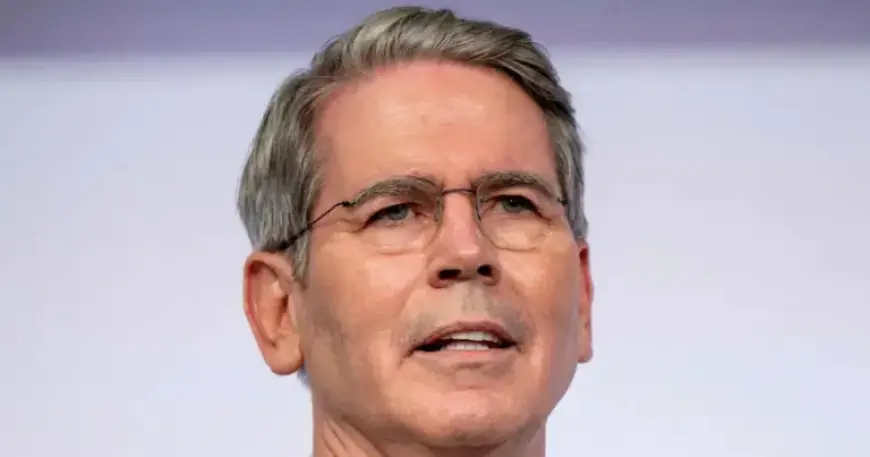
Treasury Secretary Scott Bessent defended recent strikes on Iran’s infrastructure on Sunday. He argued that measured military pressure can reduce larger conflicts. His remarks followed a sharp public ultimatum from President Donald Trump on social media.
Treasury Secretary Justifies U.S. Military Escalation in Iran: ‘Escalate to De-Escalate’ was the theme of his defense. Bessent said strong rhetoric is sometimes necessary to communicate with Tehran. He repeatedly framed options as tools to bring the situation down.
Strait of Hormuz and presidential warning
The president gave Iranian leaders 48 hours to reopen the Strait of Hormuz. He threatened strikes on key Iranian power and energy sites if they did not comply. The waterway has been closed since the start of the conflict in February.
The closure pushed global oil prices higher. It also raised pump prices for U.S. drivers. Washington says reopening the strait is a priority for international partners.
Iran’s response and military warnings
An Iranian military spokesman warned of retaliation if oil infrastructure is attacked. Col. Ebrahim Zolfaqari told state media that attacks on fuel and energy systems would prompt strikes on American-linked facilities. He also cited information technology and desalination systems as potential targets.
The exchange underscores risks from any strike on energy assets. U.S. forces have generally avoided targeting Iran’s oil infrastructure in recent weeks.
Kharg Island and military options
Bessent said U.S. strikes have damaged military assets on Kharg Island. He suggested the island could one day serve U.S. interests. He did not give operational details.
Kharg Island lies roughly 15 miles off Iran’s coast. U.S. officials told NBC News last week that sending troops there to secure oil facilities is among options under consideration. Bessent told Meet the Press that all options remain on the table.
Sanctions easing and stranded oil
The Treasury Department eased some sanctions to allow sale of Iranian oil stranded at sea. Officials said the step will quickly add about 140 million barrels to global supply. The goal is to ease temporary pressures on markets caused by the conflict.
Bessent said much of the oil had been destined for China at a discount. He described the move as a contingency plan that uses Iran’s own resources against its interests. He argued the sales will also help allies in Japan, South Korea, Indonesia and Malaysia.
Criticism and political backlash
Sen. Chris Murphy, D-Conn., sharply criticized the administration’s approach on Sunday. He said leaders appear detached from reality and warned the war is escalating. Murphy compared current rationales to past justifications used in Vietnam and Afghanistan.
Experts and some lawmakers questioned allowing Iran to profit amid active conflict. Others worry that military escalation could further disrupt energy markets and regional stability.
Filmogaz.com will continue to monitor official statements and developments related to the conflict and energy markets.