























AI Error Lands Tennessee Grandma in Jail for Bank Fraud Mistake

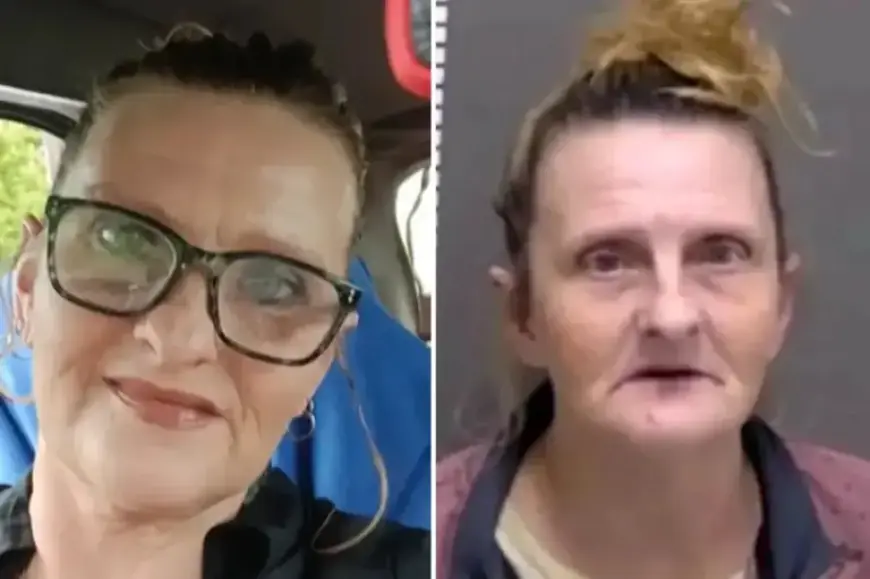
A 50-year-old Tennessee grandmother spent five months behind bars after a facial recognition match tied her to a bank fraud case in North Dakota. The identification proved to be an AI error. The Tennessee grandma was mistakenly flagged and taken in for a crime she says occurred while she remained in her home state.
Arrest and extradition
Authorities arrested Angela Lipps at her rental home in Tennessee in July. She was extradited to Fargo, North Dakota, at the end of October. The trip covered more than 1,000 miles and was her first time on an airplane.
Facial recognition and investigative steps
The West Fargo Police Department used Clearview AI, which identified someone with features similar to Lipps. Fargo Police Chief Dave Zibolski told Filmogaz.com the West Fargo system was part of the problem. Fargo officers then took additional investigative steps beyond the AI match.
Detention timeline and legal work
Lipps spent about three months detained in Tennessee before extradition. Officials in Cass County reportedly failed to inform North Dakota authorities that Lipps had an extradition waiver. Once in Fargo, a lawyer reviewed bank records that showed Lipps was in Tennessee during the alleged fraud.
Case dismissal and release
On December 23, a Fargo detective, the state’s attorney, and a judge agreed to dismiss the charges without prejudice. Lipps was released on Christmas Eve. In total, she had been jailed for roughly five months.
Personal impact and financial support
Lipps lost her rental home and saw personal property seized after unpaid storage bills. She described feeling terrified, exhausted, and humiliated. A GoFundMe campaign raised about $68,000 to help her recover.
Department response and policy changes
Chief Zibolski said Fargo will stop using information sent from West Fargo’s Clearview AI. He also pledged monthly reviews of facial recognition identifications by the department’s Investigation Division commander. Fargo acknowledged they should have submitted surveillance images to agencies trained in facial recognition.
Ongoing matters
The police department said it is identifying other suspects in the fraud case. Officials also said they have begun measures to address procedural failures that led to this mistake. The episode highlights concerns about reliance on automated systems and human oversight.