

























Sexual Harassment of Colombian Journalists: A Normalized Practice

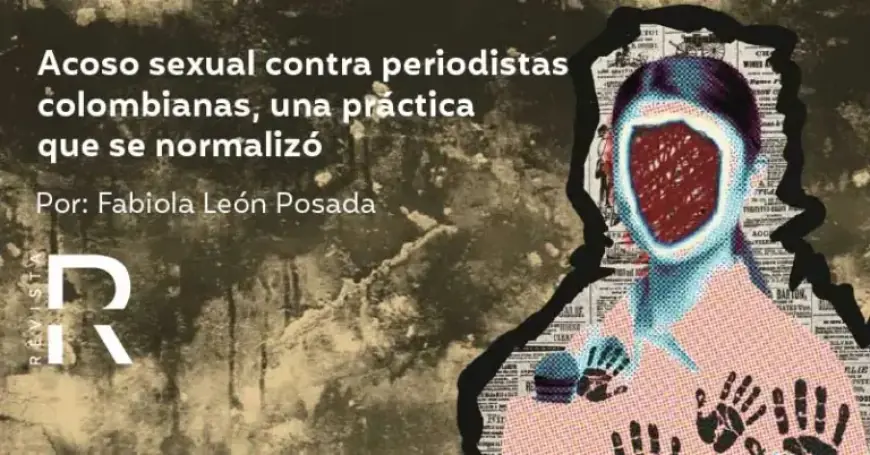
The recent sexual harassment revelations at a major Colombian broadcaster have reopened a long-standing debate. Women journalists are now naming abuses long kept quiet in newsrooms.
Prevalence and recent data
A national survey found 73% of journalists reported psychological violence at work. Sixty-seven percent said they experienced sexual harassment.
Between January 1, 2024 and September 20, 2025, a press freedom organization recorded 96 women journalists as victims. Those women suffered 162 aggressions, almost half occurring online.
Types and percentages
The recorded attacks included 37% threats, 22% stigmatization, and 21% harassment. Digital platforms concentrated a large share of those harms.
Everyday practices and newsroom culture
Experts describe harassment as embedded in routines and hierarchies. Acts range from humiliation and mansplaining to quid-pro-quo and theft of work.
Journalists report that aggressors were often supervisors, colleagues, sources, or anonymous online users. This pattern points to systemic, not isolated, misconduct.
Voices from the field
Fabiola Calvo Ocampo, coordinator of the Red Colombiana de Periodistas con Visión de Género, says women have broken a collective silence. She calls the current moment the result of cumulative feminist organizing.
Sandra Osses Rivera, academic at Universidad Externado de Colombia, lists concrete scenes of abuse. She warns that normalizing such behavior protects perpetrators and punishes whistleblowers.
Digital escalation
Online violence amplifies damage. Anonymity and viral spread make harms harder to stop and trace.
Attacks include doxxing, private image dissemination, montages, coordinated harassment and public moral condemnation. These tactics silence reporting and chill sources.
National figures on gender violence
Official records for 2025 show 43,588 reported victims of sexual violence. Women made up 82.5% of those victims.
The same year logged 5,912 cases of sexual harassment. Women accounted for 84.1% of those reports. Children and adolescents were disproportionately affected.
Legal and institutional responses
The Jineth Bedoya case transformed legal responses to violence against journalists. International rulings linked the attack to her reporting.
Law 2358 of 2024 created the fund “No es hora de callar” for prevention and support. Decree 0277, issued on March 18, 2026, established its regulation and action lines.
Implementation concerns
Specialists stress that protocols must be known and enforced. Existence on paper is insufficient without clear application and measurable outcomes.
International perspectives and consequences
Reporters Without Borders warned in 2024 that reporting on gender rights increases risk for journalists. A sizable minority found this work dangerous.
RSF noted that internet spaces had become the most perilous terrain for women reporters. Cyberattacks push many toward self-censorship or career change.
Intersectional impacts
Analyses show Afro-descendant journalists and LGBTQ+ communicators suffer compounded violence. Racism and homophobia intensify professional targeting.
Such intersecting harms reduce access, retention and safety within the profession.
Why this matters for public debate
Authorities for freedom of expression argue that attacks on journalists curtail collective rights. Silenced reporters limit public access to information.
The current moment forces media companies, universities and institutions to reassess prevention, reporting and disciplinary mechanisms.
Calls for change
Advocates demand institutional reforms beyond isolated statements. They want functioning protocols, gender training, and independent oversight.
They argue that confronting sexual harassment of Colombian journalists requires systemic solutions, not merely personnel changes.
Published by Filmogaz.com.