























Israeli Strike on Iran’s South Pars Escalates War, Spiking Energy Prices

On Thursday, leaders of six countries said they were ready to help secure the Strait of Hormuz. The nations included the United Kingdom, France, Germany, Italy, the Netherlands and Japan.
Joint statement and demands
The joint statement gave no specifics about what each country would provide. It welcomed nations engaging in preparatory planning with U.S. forces. The statement also called for an immediate moratorium on attacks against civilian infrastructure.
Condemnations
The six signatories condemned attacks by Iran on unarmed commercial vessels in the Gulf. They also denounced strikes on civilian oil and gas installations and the de facto closure of the Strait.
Military planning and allied reluctance
Reporter Margaret Brennan said a British team is working with U.S. military planners. They are developing a plan to reopen the Strait of Hormuz. Several allies remain reluctant to join U.S. combat operations against Iran. After hostilities end, some partners could provide mine detection and other support.
Japan and constitutional limits
The topic may arise when Japanese Prime Minister Sanae Takaichi meets President Trump at the White House. Takaichi has said Japan’s constitution would bar use of its self-defense forces in offensive operations.
U.S. pressure and allies’ response
President Trump has repeatedly urged allies to deploy military forces to reopen the shipping lane. The six countries expressed readiness but did not outline specific assets or timelines.
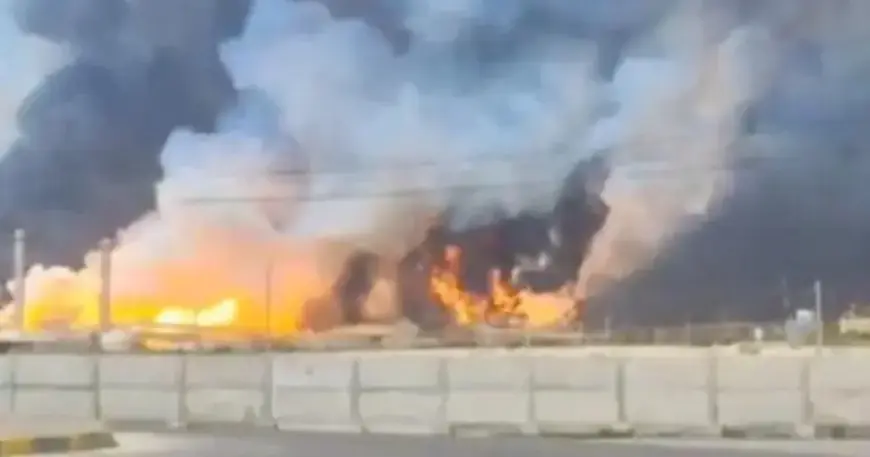
Reports such as Israeli Strike on Iran’s South Pars Escalates War, Spiking Energy Prices highlight the threat to energy markets. The disruptions threaten oil flows and could drive up global energy costs.
Diplomacy and planning will continue as leaders weigh risks and options. Reporting by Filmogaz.com. Filmogaz.com will update as events develop.