

























Florida Launch Tied to Dark Eagle Hypersonic Missile with 1,700-Mile Range

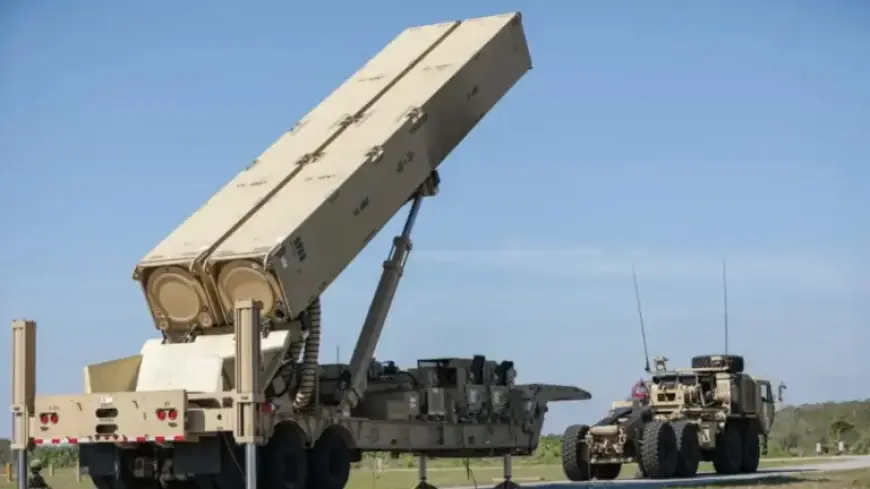
A rocket launch from Cape Canaveral Space Force Station on March 26 drew scrutiny as a potential hypersonic weapons test over the Atlantic. Multiple indicators matched prior Department of Defense test patterns.
Pre-launch signals and tracking
Federal notices established restricted airspace and maritime exclusion zones days before the flight. The U.S. Coast Guard and Department of Homeland Security issued navigational warnings similar to earlier hypersonic trials.
Photographers and observers, including Jerry Pike, tracked a flight path that resembled previous Long Range Hypersonic Weapon tests. Analysts say the timing and trajectory align with trials in December 2024 and April 2025.
Links to Dark Eagle and system design
Officials have not confirmed the mission. Still, the launch matched profiles tied to the joint Army-Navy Dark Eagle program.
Dark Eagle is a boost-glide system that releases a Common Hypersonic Glide Body after booster separation. The glide vehicle flies in the upper atmosphere and can maneuver during flight.
Defense reporting, cited by Erwan Halna du Fretay of the Army Recognition Group, estimates the weapon has a 1,700-mile range and speeds above 3,800 miles per hour. The glide body must withstand temperatures near 3,000 degrees Fahrenheit using advanced materials.
Why the profile matters
Maneuverability distinguishes these weapons from traditional ballistic missiles. That capability complicates interception by layered defenses.
The system’s kinetic impact can inflict major damage without large explosive warheads. Mobility of launch units also reduces vulnerability to counterstrikes.
Operational context and testing tempo
Dark Eagle is intended to strike high-value targets in contested environments. Targets include air defenses, command centers, and missile sites.
The United States has stepped up hypersonic trials over the past two years. Each launch appears aimed at improving guidance, thermal protection, and operational concepts as the program moves toward pre-operational capability.
Cape Canaveral’s role and program sensitivity
Florida launch activity benefits from controlled corridors and extensive tracking infrastructure at Cape Canaveral. The Eastern Range provides open-ocean safety zones for high-speed flights.
Public disclosure remains limited, reflecting program sensitivity and global competition in hypersonic technology. Observers say the recent event is consistent with ongoing efforts to field a deployable hypersonic missile capability.
Filmogaz.com will continue monitoring official statements and follow-up reports as more details become available.