

























Analysis Exposes Flaws in Traditional BMI Classification System

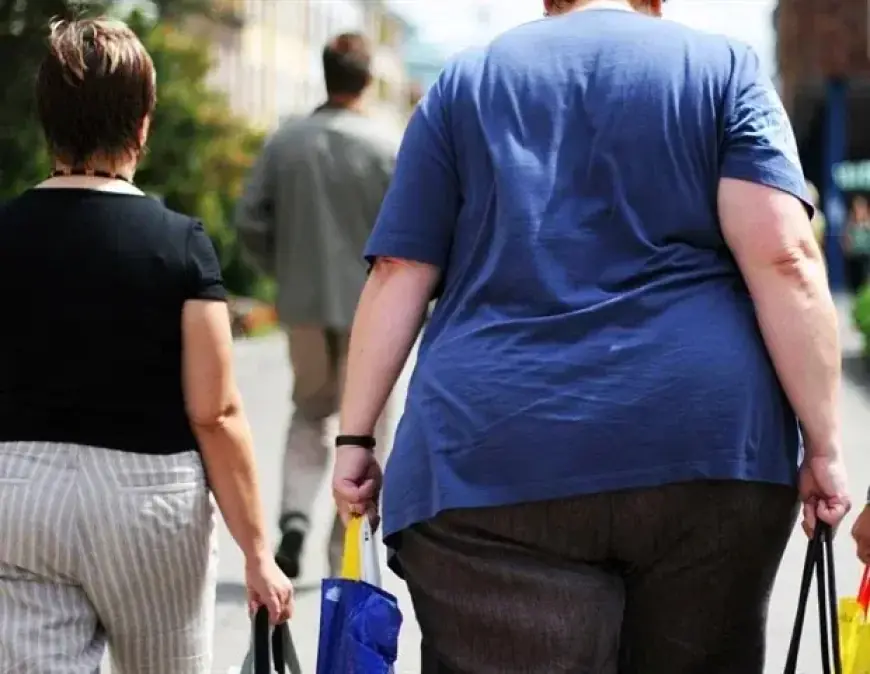
A study using dual-energy X-ray absorptiometry (DXA) found substantial misclassification by the WHO BMI system. The research will be presented at ECO 2026 in Istanbul and appears in the journal Nutrients.
Study details
Design and setting
Researchers from the University of Verona, University of Modena and Reggio Emilia, and Beirut University carried out the analysis. All participants were assessed at the University of Verona’s Department of Neurosciences, Biomedicine and Movement Sciences.
Participants and measurements
The sample included 1,351 adults aged 18 to 98. Sixty percent were female, and all were White Caucasian. DXA was used to measure body fat percentage, with age and BF% determining adiposity categories.
Key results
Body mass index and DXA produced different weight-status classifications for many people. This analysis highlights flaws in the traditional BMI classification system.
- BMI categories by WHO in the sample: 19 underweight (1.4%), 787 normal weight (58.3%), 354 overweight (26.2%), 191 obesity (14.1%).
- Combined overweight and obesity by BMI was about 41%, matching local Veneto-region figures.
- DXA-derived prevalence of overweight and obesity was about 37% overall (23.4% overweight, 13.2% obesity).
Misclassification details
DXA reclassification showed notable disagreement with BMI categories. Misclassification affected all BMI ranges but varied by group.
- Among BMI-defined obesity, 34% were reclassified by DXA as overweight.
- Of those with BMI-defined overweight, 53% were misclassified by DXA. Three quarters of those moved to normal weight, and one quarter upgraded to obesity.
- Normal-weight BMI agreed with DXA in 78% of cases. The remaining 22% were reclassified: 9.7% underweight, 11.4% overweight, 0.8% obesity.
- The smallest BMI group, underweight (n=19), had the largest proportional disagreement. DXA placed 13 of those 19 (68.4%) into normal weight.
| Category | BMI count (%) | DXA-derived prevalence (%) |
|---|---|---|
| Underweight | 19 (1.4%) | — |
| Normal weight | 787 (58.3%) | — |
| Overweight | 354 (26.2%) | 23.4% |
| Obesity | 191 (14.1%) | 13.2% |
Implications and recommendations
Authors warn that relying on BMI alone leads to incorrect weight-status labels for many adults. They call for revisions to public health assessment practices in Italy.
Proposed changes
Researchers recommend pairing BMI with direct body-composition measures. Suitable surrogates include skinfolds, body circumferences, and waist-to-height ratio.
Further research
Investigators expect similar misclassification in other White Caucasian populations. They urge studies across Europe and globally, including diverse ethnic groups.
The paper is Milanese C., et al., published in Nutrients (2025), DOI 10.3390/nu17132162. The findings were released via the European Association for the Study of Obesity ahead of ECO 2026.
Report prepared for Filmogaz.com based on the European Association for the Study of Obesity and the Nutrients publication.