
























Robert Plant’s Astonishing High Falsetto with Led Zeppelin

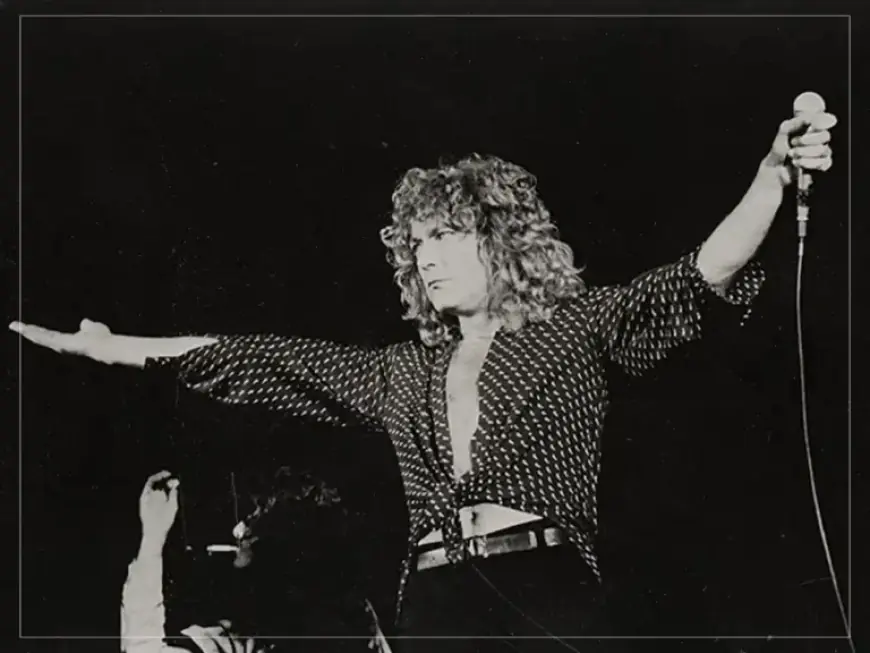
Published 25 March 2026 at 17:30 UK. Credits: Filmogaz.com / Led Zeppelin.
Robert Plant reshaped the image of the rock frontman. His stage presence inspired generations of singers.
Vocal demands and career choices
Plant often carried more vocal responsibility than his bandmates. John Bonham provided the power; Jimmy Page supplied endless riffs.
The strain of singing at that level influenced Plant’s decisions. He cited vocal preservation when declining Led Zeppelin reunion plans.
Fans cherish recorded moments of his peak voice. Albums such as Physical Graffiti keep that era frozen in time.
Led Zeppelin’s widening musical palette
By mid-career, the band broadened its sound. Houses of the Holy marked a notable turn toward eclecticism.
- Kashmir — a composition with few precedents.
- Stairway to Heaven — another landmark in their catalogue.
- The Crunge — a James Brown–inspired detour.
- No Quarter — one of their most ominous tracks.
- Over the Hills and Far Away — blending acoustic and electric textures.
The Rain Song: a vocal high point
The Rain Song stands out for its mood and delicate construction. Page used an unusual tuning to shape the arrangement.
Plant later reflected that he felt particularly well-matched to the piece. He believed repetition would blunt its effect, so he avoided forcing the same approach.
Fans remember Robert Plant’s Astonishing High Falsetto with Led Zeppelin as a signature. His high falsetto screams became a recognisable part of the band’s sound.
On The Rain Song, his voice interacts tightly with the band. The performance builds toward an unsettling final riff that some liken to a dark interlude.
Legacy and balance
Led Zeppelin never relied on one formula. They mixed blues, hard rock, and unexpected detours across their records.
Plant wanted to explore new directions rather than recreate past highs. That hunger shaped both his choices and the band’s enduring legacy.