





















JD Vance Confronts Netanyahu on Unrealistic Iran War Expectations

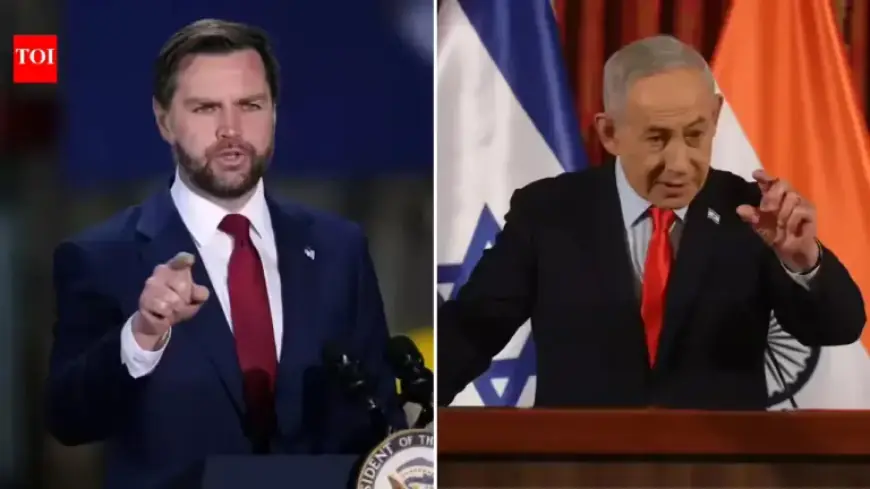
The US vice president, JD Vance, pressed Israeli Prime Minister Benjamin Netanyahu in a tense phone call this week. He challenged what he described as optimistic assumptions about the Iran conflict.
Why the call mattered
The exchange highlighted growing friction between Washington and Tel Aviv. US officials said the discussion exposed mismatched expectations about the war’s likely course.
Pre-war assessments under scrutiny
Vance faulted Netanyahu’s earlier pitch that the conflict would be easy. US sources said Netanyahu had told President Donald Trump that regime change was more likely than it turned out to be.
Weeks into the fighting, Iran’s leadership remained in place. Hardline factions appeared to strengthen rather than crumble.
Vance’s evolving diplomatic role
JD Vance has taken a central part in backchannel efforts to end the fighting. The vice president now leads diplomatic outreach and could head any talks with Tehran.
President Trump recently elevated Vance’s responsibilities. He will work alongside Steve Witkoff and Jared Kushner on those negotiations.
Internal caution and strategic concerns
Officials said Vance had been cautious even before the war. He questioned the likely duration, objectives, and strain on US forces.
He supported the decision once it was made. But he has warned against strategic drift and misaligned expectations between Washington and Tel Aviv.
Tensions after the call
The conversation appears to have intensified political strains. Some in the White House suspected attempts to undermine Vance.
A right-wing Israeli outlet ran a version of events that US officials later dismissed. Several sources said that account was inaccurate.
Claims and counterclaims
One senior administration official told Filmogaz.com that portraying Vance as unreliable may have been intentional. No proof of a coordinated campaign has emerged.
Another official said, “If the Iranians can’t strike a deal with Vance, they don’t get a deal.” That comment illustrated his growing leverage.
Diplomatic openings and intermediaries
Efforts to arrange talks have grown more active. Pakistan, Turkey and Egypt are acting as intermediaries.
- Islamabad has been floated as a potential location for negotiations.
- Prime Minister Shehbaz Sharif offered to host talks.
- Iran says direct negotiations have not begun and prefers channels through friendly states.
Tehran’s stance
Officials in Iran reportedly await approval from senior leadership before engaging in formal talks. Public statements deny direct contact with Washington.
Stakes and consequences
President Trump extended a diplomacy deadline while warning of possible major military steps. He cited potential strikes on Iran’s energy infrastructure.
Markets reacted nervously. Oil prices swung amid uncertainty over the Strait of Hormuz.
The confrontation over unrealistic Iran war expectations has underscored a wider debate in Washington. It has also elevated JD Vance as a key diplomatic actor in the crisis.