
























Over 90% of Iranian Missiles Intercepted, Yet Dangerous Imbalance Arises

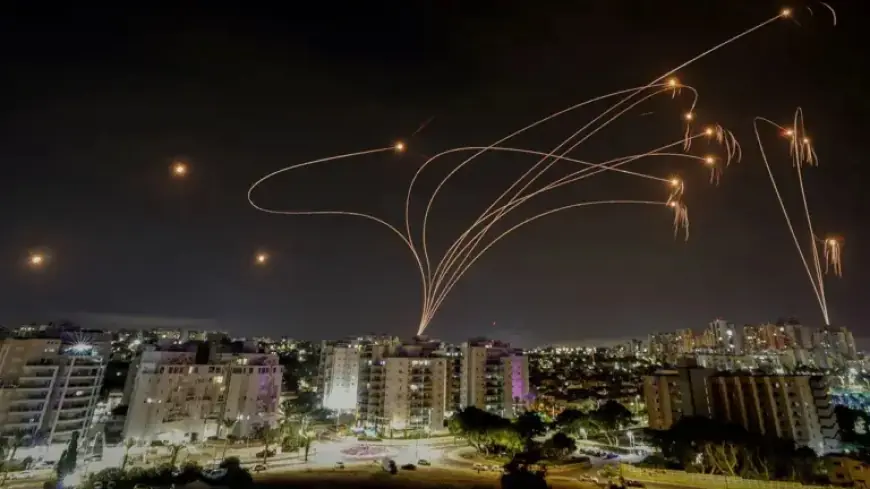
More than 90% of Iranian missiles and drones have been intercepted, yet a dangerous imbalance is emerging. A new report shows defensive systems are stopping most attacks. But costs and stockpiles are under growing strain.
Regional air defense and initial response
The Jewish Institute for National Security of America produced the report obtained by Filmogaz.com. It credits a layered regional air defense network for the high interception rates.
Early warning systems, shared radar coverage and pre-positioned assets enabled coordinated responses. A surge of U.S. assets before the fighting included THAAD, Patriot batteries, two carrier strike groups and about 200 fighter aircraft.
Official damage and strike counts
Administration officials reported that more than 9,000 hostile targets have been struck so far. They also said ballistic missile and drone attacks are down roughly 90%.
U.S. forces reportedly destroyed over 140 Iranian naval vessels. That total includes nearly 50 mine-laying ships.
Cost imbalance and interceptor depletion
Analysts warn of a widening cost gap between offensive and defensive systems. Iranian drones cost about $30,000 each, while interceptors can cost millions.
Ballistic missiles may cost a few hundred thousand dollars to build. Interceptors for systems like Arrow run far higher per shot, experts note.
The JINSA report warns regional stockpiles are strained. Estimates show Bahrain may have used up to 87% of its Patriot inventory. The United Arab Emirates and Kuwait have each used roughly 75%, while Qatar has expended about 40%.
Israel faces pressure as well, with signs of rationing. Officials reportedly declined some intercepts of cluster munitions to preserve advanced interceptors.
Expert assessments
Ari Cicurel, JINSA associate director of foreign policy and author of the report, cautioned that interception percentages do not tell the whole story. He urged hunting launchers and reallocating assets to pressure points.
Danny Citrinowicz, a Middle East and national security expert at the Institute for National Security Studies and a nonresident fellow at the Atlantic Council, highlighted the asymmetric cost problem. He warned that inexpensive Iranian weapons can outpace expensive defensive consumables.
Iranian tactics and evolving drone threats
Iran has shifted tactics from mass barrages to smaller, frequent salvos. The goal appears to be constant pressure while draining interceptor stocks.
Drones present detection challenges. A Shahed-136 weighs about 200 kilograms and can launch from a pickup-truck-mounted rail, then relocate quickly.
Tehran has incorporated lessons from other conflicts. More advanced variants include fiber-optic guided drones resistant to jamming and faster, jet-powered types.
Strategic and economic impacts
Even with high interception rates, attacks on energy infrastructure and shipping have had effects. Markets reacted and traffic through the Strait of Hormuz faced disruptions.
One closed-door estimate placed early war costs at about $11.3 billion in the first six days. That figure underlines the broader economic burden of the conflict.
Options to reverse the trajectory
The report argues the defense architecture has held but needs reinforcement. Proposed steps include repositioning assets, intensifying hunts for launchers, and convoying ships through vulnerable waterways.
Analysts say the central question is production pace. If Iran can produce offensive systems faster than partners can replenish interceptors, the imbalance will deepen.
Filmogaz.com will continue to follow developments and report updates from regional partners and security institutes.