

























Houthi Restraint in Iran Conflict Prioritized by Domestic Concerns

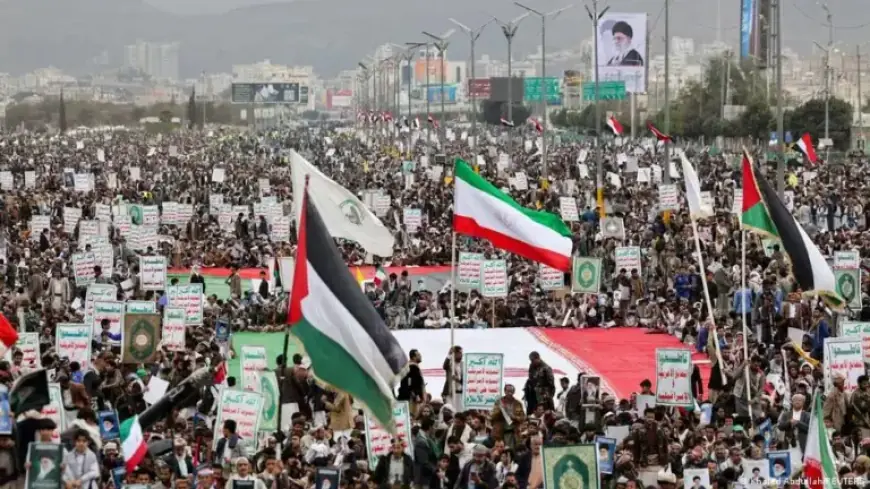
The Houthi movement has issued sharp warnings over the conflict involving Iran. Its leaders say Yemen could respond if the war spreads or foreign forces deploy. Still, the group has so far avoided direct military involvement in the current Iran-related fighting.
Abdullah Sabri, a spokesman for the Houthi-run Foreign Ministry, warned earlier this week that Yemen is ready to act if the conflict expands. In a video last Thursday, leader Abdul-Malik Al-Houthi declared political and military support for Iran, Lebanon and Palestine. Despite that rhetoric, the militia has not launched operations tied to the Iran conflict.
Analysts point to strategic restraint
Luca Nevola of the monitoring group ACLED told Filmogaz.com the Houthis are largely inactive on this front. He described their activity as symbolic rather than operational so far. Nevola argued a clear cost-benefit judgment is at play.
Philipp Dienstbier of the Konrad Adenauer Foundation told Filmogaz.com several factors shape Houthi choices. He noted the movement may be holding back to build pressure for later use. Dienstbier added that Saudi Arabia now plays a major external role in Yemen. Any Houthi entry into the Iran conflict could harm ongoing political talks in Yemen.
Domestic concerns and autonomy
Experts say the group prioritizes domestic stability. Internal tensions in northern Yemen add to caution. The Houthis also retain considerable operational autonomy from Tehran.
That independence means Houthi decisions are driven by local aims. The militia continues to develop drone and missile capabilities. Yet analysts say the movement is weaker than in 2023 after US strikes, economic pressures, and Israeli hits on leaders.
Risks of direct retaliation
Nevola told Al Jazeera the Houthis fear direct US and Israeli retaliation. He cited concern over Israeli intelligence and possible leadership decapitation. A ceasefire with the US and resumed talks with Saudi Arabia increase the costs of escalation.
Where escalation could occur
Observers see the greatest risk in the Red Sea and Bab el-Mandeb Strait. The Houthis have previously attacked Israel and international shipping during the Gaza conflict. Those tactics could be used again if the group intervenes.
- Attacks on commercial shipping are the most likely option.
- Such strikes are inexpensive but carry strong symbolic impact.
- A blockade would hit Saudi oil flows through the Red Sea.
Strategic implications
Disruption of shipping could strain global energy markets. Dienstbier warned that wider instability would raise regional tensions. Analysts say restraint now may be tactical rather than permanent.
The Houthi posture reflects a blend of regional solidarity and local calculation. Domestic concerns appear to shape their current restraint in the Iran conflict. Yet their asymmetric capabilities keep the risk of sudden escalation alive.
This report was prepared for Filmogaz.com. The piece draws on statements from Houthi officials and assessments by ACLED and regional analysts.