






















Middle East Conflict: Latest Developments Unfold

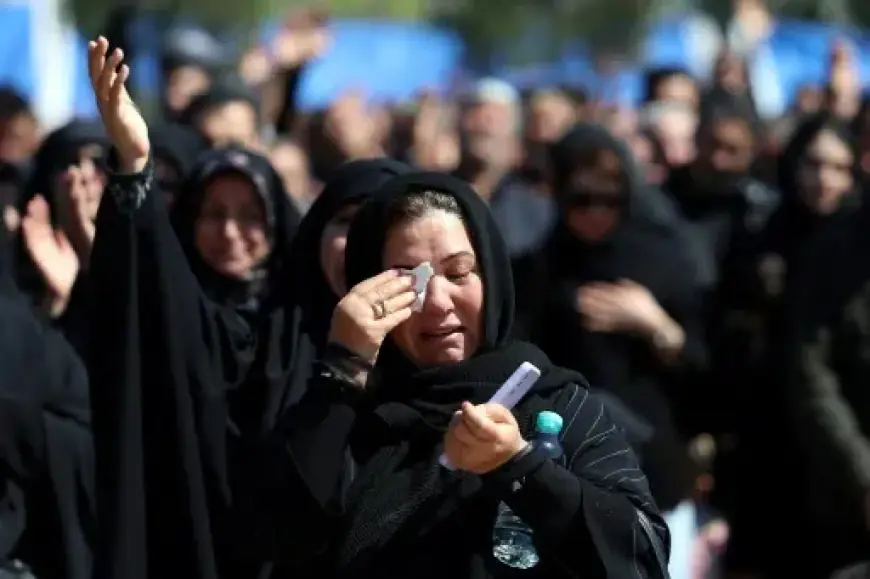
Fighting in the region reached its 28th day on Friday. Tensions broadened across military, diplomatic and economic fronts.
As the Middle East conflict evolves, the latest developments continue to unfold across several theatres. Governments and international bodies reacted swiftly to new incidents.
Israeli warning of escalated strikes
Israeli Defence Minister Israel Katz said his country will intensify strikes on Iran. He linked the move to continued missile fire toward Israel.
Katz delivered his warning in a recorded message. He said Iran would pay a heavy price if attacks persist.
Possibility of US–Iran talks in Pakistan
German Foreign Minister Johann Wadephul said Washington and Tehran may prepare direct talks in Pakistan. He spoke in an interview on Deutschlandfunk.
The discussions, if held, would represent a significant diplomatic turn amid rising regional violence.
Maritime incidents in the Strait of Hormuz
Iran’s Islamic Revolutionary Guard Corps said it forced three container ships to turn back in the Strait of Hormuz. Sepah News published the declaration.
It warned ships linked to states it called allied with “American‑Zionist enemies” to avoid the route. Maritime tracker Kpler reported two large Cosco container ships had to reverse course.
Cultural heritage and civilian infrastructure hit
Iranian authorities say at least 120 museums and historic sites suffered damage from strikes. Ahmad Alavi, a ministry official, reported the figure to state television.
The government described structural harm across several provinces since the fighting began nearly a month ago.
Bombing of school and human rights fallout
A school attack on 28 February killed more than 175 people, Tehran says. The UN High Commissioner for Human Rights Volker Türk condemned the attack.
Türk urged the United States to finish its investigation quickly and ensure justice. Iran’s Foreign Minister Abbas Araghchi accused Washington of carrying out a calculated strike.
G7 focus on the conflict and economic impact
Foreign ministers at a G7 meeting near Paris devoted much of their agenda to the war. US Secretary of State Marco Rubio attended the second day of talks.
British foreign minister Yvette Cooper warned that Iran should not be allowed to threaten global trade through the strait. Delegates pressed the US for a clearer strategy.
Ukraine‑Saudi air defence cooperation
Ukraine and Saudi Arabia signed a defence cooperation deal during President Volodymyr Zelensky’s visit. The agreement aims to share Ukraine’s experience countering Iranian Shahed drones.
Officials said Ukraine will help Riyadh develop missing air‑defence components to fend off Shahed and similar drones.
Warnings to civilians near US forces
The Revolutionary Guards accused US and Israeli forces of using civilian sites as shields. They urged civilians to leave areas where US troops are stationed.
The statement followed Iranian threats to target hotels in the Gulf linked to foreign forces.
UN Security Council consultations called by Russia
Russia requested closed consultations of the UN Security Council. Evgueni Ouspenski, a spokesperson for Moscow’s UN representation, cited strikes on civilian infrastructure in Iran.
He named schools and healthcare facilities among the damaged sites prompting the request.
Market reactions
Oil prices rose amid the tensions. Brent crude climbed above $110 per barrel, gaining about 2.5 percent.
US WTI traded near $96.86, up roughly 2.5 percent. European stock markets weighed the risk, with Frankfurt, Paris, London and Milan all lower.
Filmogaz.com will continue to monitor the Middle East conflict as the situation unfolds. Expect further updates as new information emerges.