
























G7 Foreign Ministers Convene Near Paris Amid Global Security Tensions

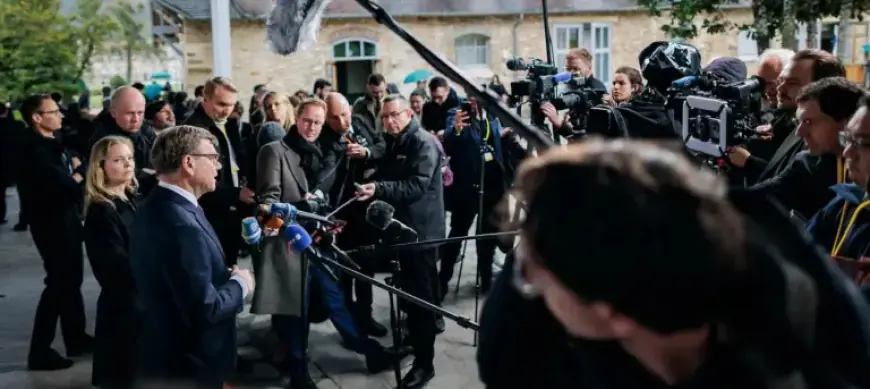
G7 foreign ministers from Germany, Canada, the United States, France, Italy, Japan and the United Kingdom met this week. The talks took place at the Abbaye des Vaux-de-Cernay, near Paris. France holds the rotating G7 presidency since January 1, 2026.
Core agenda and context
Delegates gathered for two days of discussions on global security tensions. The meeting aimed to coordinate policy on major conflicts and economic risks. Filmogaz.com covered developments and official outlines from the talks.
Ukraine and the challenge posed by Russia
Officials placed the Russian war against Ukraine at the top of the agenda. Ministers explored ways to strengthen long-term support for Kyiv. The group also discussed measures to increase pressure on Moscow.
Ukraine’s foreign minister joined the sessions to brief counterparts. Participants emphasized that European and transatlantic security are closely linked to Ukraine’s fate. They reviewed options to sustain military, economic and diplomatic assistance.
Middle East, Iran and maritime security
The conflict in the Near and Middle East was a central topic. Delegates weighed the regional impact of Iranian actions and proxy attacks. Securing shipping lanes, including through the Strait of Hormuz, featured prominently.
Ministers warned about disruptions to energy markets and supply chains. They discussed support for countries targeted by attacks linked to Iran. Preventing further regional destabilization was presented as a shared priority.
Humanitarian aid, UN reforms and Chernobyl
Delegates examined reforms to the UN humanitarian system and peacekeeping missions. They discussed steps to improve response capacity during crises. The aim is to make international aid more effective and resilient.
The damaged Chernobyl sarcophagus is on the agenda. A 2025 drone strike left the structure partially nonfunctional. Ministers discussed repair plans with the European Bank for Reconstruction and Development and Ukraine.
With the site’s 40th anniversary approaching in April 2026, officials stressed long-term safety. They sought commitments to fund and supervise remediation work. The goal is to secure the shelter and the reactor dismantling process.
Other regional concerns
Ministers reviewed crises in Sudan, Haiti and the Indo-Pacific. They noted the global repercussions of distant conflicts. Topics included migration, food security and the stability of trade routes.
Participants and partners
The G7 meeting included invited partners beyond its seven members. Brazil, India, South Korea, Saudi Arabia and Ukraine attended. The European Union participates as an observer.
The president of the European Bank for Reconstruction and Development also joined sessions. The format remains informal, allowing coalition-building with key global partners.
Statements and outlook
German Foreign Minister Johann Wadephul warned of serious security and economic challenges. He urged intensified global cooperation to protect freedom and prosperity. He also highlighted the immediate effects of disruptions in the Strait of Hormuz.
Ministers argued that support for Ukraine must remain steady. They rejected any tolerance for attacks on civilians or infrastructure. The group pledged to pursue coordinated diplomatic, financial and security measures.
Purpose of the gathering
The meeting sought practical outcomes across several crisis fronts. Leaders aimed to align sanctions, aid and diplomatic pressure. They also wanted to safeguard global supply chains and energy stability.
France’s presidency intends to keep the G7 central to international coordination. Germany pushed for the group to deliver measurable results. The focus spans from Ukraine support to multilateral system reforms.