






















US-Led Operation Allegedly Targets Ecuador Farms and Homes, Complaint States

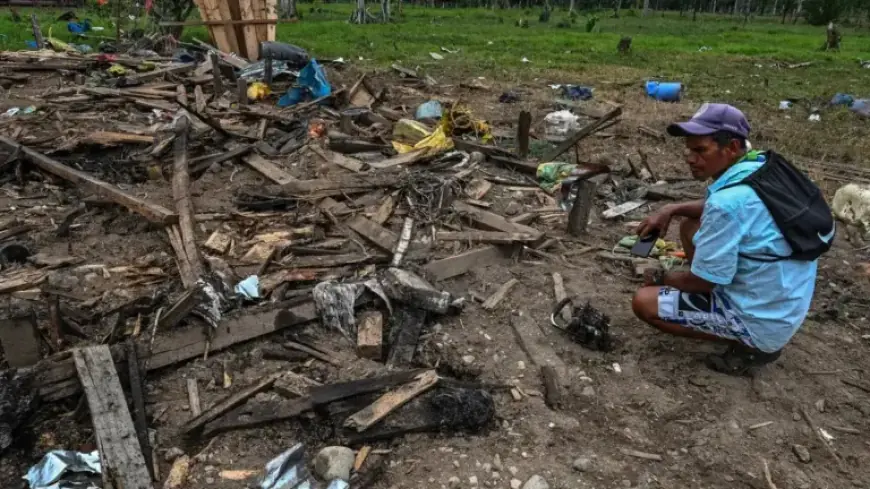
Residents and lawyers say a recent joint operation in Ecuador destroyed farms and homes. Ecuador’s defense ministry described the mission as Operation Total Extermination. The government said aerial strikes hit hideouts used by Colombian trafficking groups.
Timeline and location
The operations occurred in Sucumbíos province. The area sits in Ecuador’s northeast along the Colombia border. Local residents in San Martin, a village of roughly 27 families, reported damage between March 1 and March 6.
Incidents reported by villagers
Witnesses described helicopters landing on March 1. That night, two uninhabited homes burned on active farmland. On March 3, residents reported multiple military aircraft overhead and a blast that left a crater on a woman’s field.
Video circulating from the scene showed soldiers removing detained workers to a helicopter. Residents say shots rang out as people filmed. One farmer, who gave his name as Miguel, said buildings on his property were destroyed.
Allegations of abuse and detentions
Villagers said five workers were detained on March 1. One older man was released locally. Four others were blindfolded, bound, and taken by helicopter, the complaint states.
The detainees later reported torture to U.N. human rights staff. Alleged techniques included electrocution, simulated drowning, beatings and suspension. The Office of the U.N. High Commissioner for Human Rights confirmed a virtual meeting with the workers.
Legal actions and complaints
A human rights group filed a complaint with Ecuador’s interior ministry on March 12. The complaint documents the events in San Martin and alleges harm to Ecuador farms and homes. Lawyers representing villagers say they have received no formal response from government authorities.
Government and U.S. responses
Ecuador’s defense ministry said the strikes destroyed a hideout and a training area. Officials identified the target as a group called Border Command. Ecuador did not accept responsibility for a bomb that landed across the river in Colombia on March 3.
U.S. Southern Command announced joint operations on March 3. A Pentagon spokesman described the mission as targeting a narco-terrorist supply network. A Department of Defense spokesperson said U.S. forces worked with Ecuador and followed established targeting procedures.
Marine Corps Gen. Francis Donovan told U.S. lawmakers on March 19 that planning appeared professional. Donovan said U.S. special operations could coordinate quickly with Ecuadoran forces. The exact degree of U.S. involvement remains unclear.
Regional context and policy
President Daniel Noboa has framed recent efforts as a fight against narcoterrorism and illegal mining. He posted on X on March 17 reaffirming joint operations with international partners. Since 2024, Ecuador has declared an internal armed conflict and kept a state of emergency in place.
The White House has encouraged a militarized approach in the region. Since September, U.S. forces have carried out lethal strikes at sea, killing over 150 people, according to available reporting. Critics say such tactics risk civilian harm.
Human rights concerns
Human Rights Watch and other groups have warned of forced disappearances and extrajudicial killings. On March 9, eight U.N. experts sent a report to Ecuador warning of human rights abuses. Local defenders say security operations must respect human rights standards.
Local aftermath and outlook
San Martin residents say daily helicopter and plane noise persists. Many farmers feel unsafe returning to their fields. Organizers planned a festival for life and peace for March 27–28 to protest the military presence.
Observers note northeastern Ecuador faces rising coca routes, illegal mining and logging. Homicides rose to a new high in 2025 as criminal groups expanded. Human rights advocates warn that militarized campaigns can increase civilian harm without tackling corruption and finances behind trafficking.
Key names and dates
- Operation Total Extermination announced by Ecuador’s defense ministry on March 6.
- Reported incidents in San Martin from March 1–6.
- U.S. Southern Command announced joint operations on March 3.
- Senate Armed Services Committee hearing with Gen. Francis Donovan on March 19.
- Human rights complaint filed March 12; UN meeting with detainees confirmed March 18.
Filmogaz.com will continue to monitor responses from Ecuadoran and U.S. authorities as investigations proceed. Community leaders and rights groups say they seek accountability and safeguards for civilians.