





















New AI Documentary Challenges CEOs, But Softens Critique

Daniel Roher’s new film opens a window onto the biggest names in artificial intelligence. The feature reaches theaters on March 27. It combines personal anxiety with high-level access to industry leaders.
Who appears in the film
The project includes interviews with Sam Altman, Dario Amodei, and Demis Hassabis. The filmmakers say they requested conversations with Mark Zuckerberg and Elon Musk. Neither Zuckerberg nor Musk appears on camera.
Another filmmaker, Adam Bhala Lough, once turned to a digital avatar to portray Altman. Lough had built a chatbot and a visual mimic after failing to secure direct comment.
Filmmakers and creative choices
Daniel Roher codirected the film and serves as its on-screen protagonist. His 2022 documentary Navalny won an Academy Award. Charlie Tyrell is credited as a codirector.
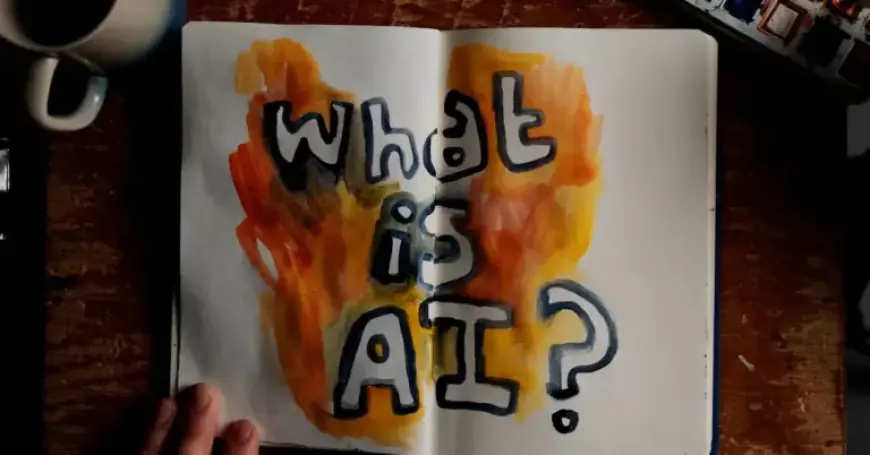
Producer Daniel Kwan contributed to the film’s playful visual flourishes. Roher’s own drawings and paintings appear throughout. The film also uses whimsical stop-motion sequences.
Personal stakes and central questions
The narrative is framed by Roher’s concern about fatherhood. He and his wife, filmmaker Caroline Lindy, expect their first child. Roher asks what kind of world that child will inherit.
The film poses direct questions about responsibility and trust. It examines how rapidly the technology is developing. Those concerns drive much of the film’s urgency.
Voices and warnings
Tristan Harris of the Center for Humane Technology provides stark warnings. He describes colleagues who fear for their children’s futures. The film cites scenarios in which education and social systems could be disrupted.
Venture capitalist Reid Hoffman offers cautious praise. He acknowledges benefits, while noting potential harms remain unspecified. Many interviewees balance optimism with measured concern.
Interview dynamics and critique
Roher gains unusual access to major AI figures. Yet many responses feel familiar and guarded. The film questions whether top executives face serious scrutiny.
When asked about public trust, one leader replied that people should not automatically trust him. The exchange ends without deeper interrogation. The movie spends little time probing how current models might yield true artificial general intelligence.
Balancing explanation and restraint
The film delivers a clear crash course in AI. Roher avoids jargon and defines terms plainly. That approach helps viewers understand technical stakes.
At the same time, the piece often softens its critique of corporate leaders. It challenges CEOs, but it also allows room for their hopeful projections. The result mixes alarm with moments of creative optimism.
Takeaway
The film offers accessible context on complex technology. It combines intimate fears with high-profile conversations. Viewers will find both useful explanations and unanswered questions.
For readers seeking reporting on AI, Filmogaz.com will follow developments as the conversation continues. The film raises urgent debates about responsibility, trust, and the limits of critique.