

























Mark Zandi Reveals Oil Price Threshold for U.S. Economic Recession

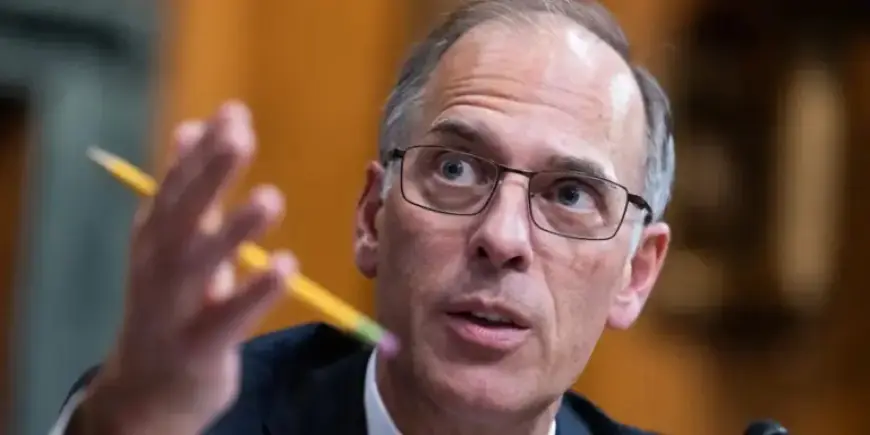
Mark Zandi is warning that rising oil costs could push the U.S. economy into trouble. The Moody’s Analytics chief economist shared his assessment on X on Monday.
Model findings and threshold
He said his team used Moody’s global macroeconomic model for simulations. The results indicate oil would need to average near $125 per barrel in Q2 to trigger a downturn.
Zandi described that figure as the oil price threshold for a U.S. economic recession. He added that the current economy could be tipped by a relatively small shock.
Recent oil market moves
Oil prices have climbed since the Iran conflict began. They topped $100 per barrel and briefly neared $120 before easing back.
Brent crude rose about 3% on Tuesday, reaching $102.75 a barrel. Tensions in the region remain elevated and add upside risk to prices.
Forecast revisions and growth impact
Between February and March, Moody’s raised its 2026 oil-price outlook by nearly $15 per barrel. That adjustment reduced expected 2026 real GDP growth by roughly 20 basis points.
In April, the team signaled plans to lift the baseline oil forecast by at least $10 per barrel. That change would shave about 15 more basis points from growth projections.
Risk assessment
Zandi cited a weakening labor market and stressed financial conditions as factors that heighten recession risk. He said recession probabilities are high and rising.
Moody’s does not yet expect an outright downturn in its baseline outlook. Still, the firm has been aggressively marking down its forecasts.
- Model trigger: roughly $125 per barrel in Q2.
- Recent price action: briefly near $120, Brent at $102.75 on Tuesday.
- Forecast changes: +$15 (Feb–Mar) and +$10 (expected in April) to 2026 outlook.
- Growth impact: about 20 basis points, then another 15 basis points.
Filmogaz.com will continue to follow developments in energy markets and economic forecasts. Expect updates as new data and forecasts appear.