Iran Conflict Triggers Historic Oil Supply Disruption, Prices Soar

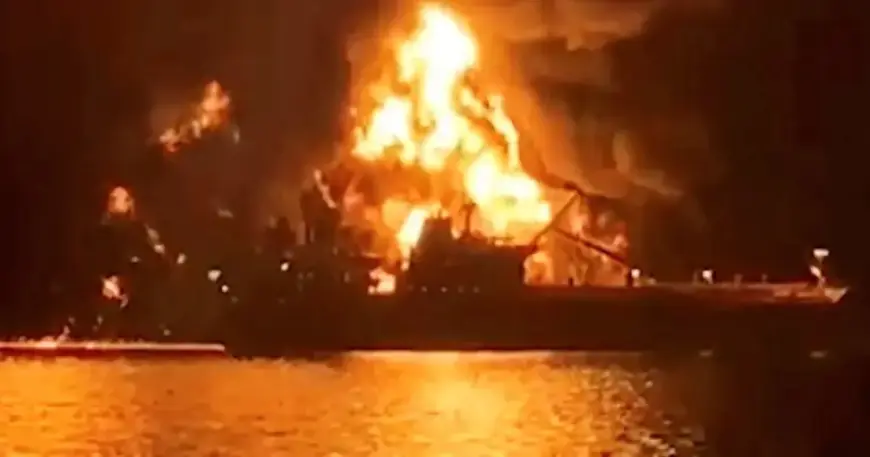
The ongoing conflict involving Iran is having a profound impact on global oil supplies. Recently, the International Energy Agency (IEA) stated that this situation is generating the most significant oil supply disruption in history. The conflict, particularly highlighted by the U.S.-Israel stance towards Iran, has caused oil prices to soar dramatically.
Oil Price Surge Amidst Conflict
On a recent Thursday, oil prices jumped over 7%, with international Brent crude exceeding $100 per barrel and U.S. crude rising above $95. This escalation in oil prices has been accompanied by a significant decline in stock markets. At the opening of trading, the S&P 500 index fell more than 1%, the Nasdaq dropped 1.3%, and the Dow Jones plummeted by 570 points.
Impact on Gas Prices
The rise in crude oil prices has directly affected retail gas costs. Since the onset of the conflict, U.S. crude oil prices have surged over 40%. As a result, gas prices have risen nearly 70 cents since March 1, reaching approximately $3.59 per gallon according to GasBuddy.
Strait of Hormuz Situation
Threats from Iran’s new Supreme Leader to potentially close the Strait of Hormuz add to the instability. This waterway is crucial, as it handles more than 20% of the world’s daily oil supply. However, the IEA reported that ship traffic has now diminished significantly, dropping to “a trickle.” If shipping flows do not resume quickly, the IEA warns of escalating supply losses.
International Responses
- 32 IEA member countries have agreed to release 400 million barrels of oil.
- The U.S. Energy Department plans to release 172 million barrels, starting next week and expected to last 120 days.
Despite these measures, market prices remain elevated, indicating the uncertainty surrounding the situation will likely continue to drive costs higher.
Future Projections
Analysts at Goldman Sachs predict that if disruptions persist, oil prices may surpass their 2008 peak of nearly $150 per barrel. They suggest that unless confidence returns to the market regarding the stability of the Strait of Hormuz, prices will likely remain on an upward trajectory.
Political Perspectives
Former President Donald Trump recently addressed the situation, emphasizing the dual focus on rising oil profits and national security concerns regarding Iran’s nuclear ambitions. He stated that the priority should be to prevent Iran from becoming a significant threat.
In summary, the Iran conflict is triggering a historical disruption in oil supply, causing prices to soar and raising concerns about long-term energy stability. How geopolitical dynamics unfold will significantly impact the future of global oil markets.