Trump Says War Is Won, Iranian Attacks and Oil Prices Tell Another Story

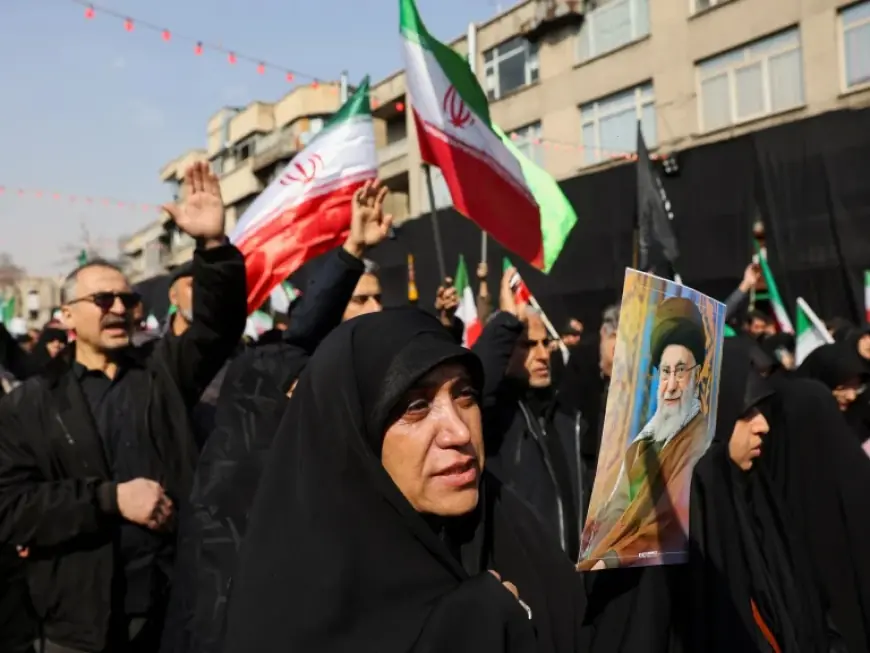
Donald Trump has continued to portray the conflict with Iran as effectively won, telling a rally in northern Kentucky that iranian military capabilities had been significantly degraded. The record also shows planned U. S. releases from the strategic petroleum reserve, rising fuel costs, and Israeli officials saying the operation has no time limit — a gap this article examines.
Trump at Hebron: Confirmed Statements on Iran’s Capabilities
Confirmed: At a rally inside a packaging plant in Hebron, Donald Trump told supporters that Iran’s military and nuclear capabilities had been significantly degraded and said “their drones are down 85%” and “we’re blowing up their factories. ” He also said the war is “won” while warning that the U. S. does not “want to leave early. “
Confirmed: In a separate interview, Trump said he can make the decision to stop fighting whenever he likes and that “any time I want it to end, it will end, ” signaling a personal claim of unilateral authority over the pace of U. S. involvement.
Iranian Actions and Israel Katz’s Timetable
Documented: The context records continuing iranian attacks across the region: Tehran has continued to fire drones and missiles against Israel and to target U. S. assets and energy and civilian sites in the Gulf. Those strikes have included attacks on tankers, which have coincided with higher oil prices.
Documented: Israel’s defence leadership has stated the operation will continue “without any time limit, as long as required, until we accomplish all objectives and achieve victory in the campaign. ” That public position sits alongside statements by U. S. officials describing significant damage inflicted on Iran.
Documented: The U. S. and Israel have launched thousands of bombs against Iran and have together caused a documented death toll of at least 1, 300 people in the campaign to date.
U. S. Oil Release, IEA Agreement and Rising Gas Prices
Confirmed: U. S. energy secretary Chris Wright said the United States will release 172 million barrels from the strategic petroleum reserve as part of a broader 400 million-barrel release agreed by the 32-country International Energy Agency. Wright said the release will begin next week and will take approximately 120 days to deliver.
Documented: Officials link the decision to release oil to supply shocks tied to the U. S. -Israeli war with Iran and to strikes on tankers in the Middle East. Oil prices continued to rise even after the announcement.
Documented: Americans are already feeling the impact at the pump: average gasoline prices moved from $2. 94 per gallon a month ago to $3. 58 as of Wednesday, national fuel-price data cited in the record.
Open question: The context does not confirm how long U. S. political leaders will maintain the current posture that mixes declarations of victory, unilateral authority to stop fighting, and simultaneous policy actions such as the strategic oil release. What remains unclear is whether a coordinated endgame exists that both the U. S. and Israel will follow, and whether Tehran would accept terms announced solely by the U. S.
The specific evidence that would resolve the central gap is also in the record: Iranian President Masoud Pezeshkian set out conditions for ending the war—compensation and firm international guarantees against future aggression. If those conditions were accepted by combatants and implemented, it would establish a concrete basis for resolving the timeline and testing whether the public claims of a finished campaign align with on-the-ground reality.