Oil Prices Rise After Washington Fiasco: What’s Next?

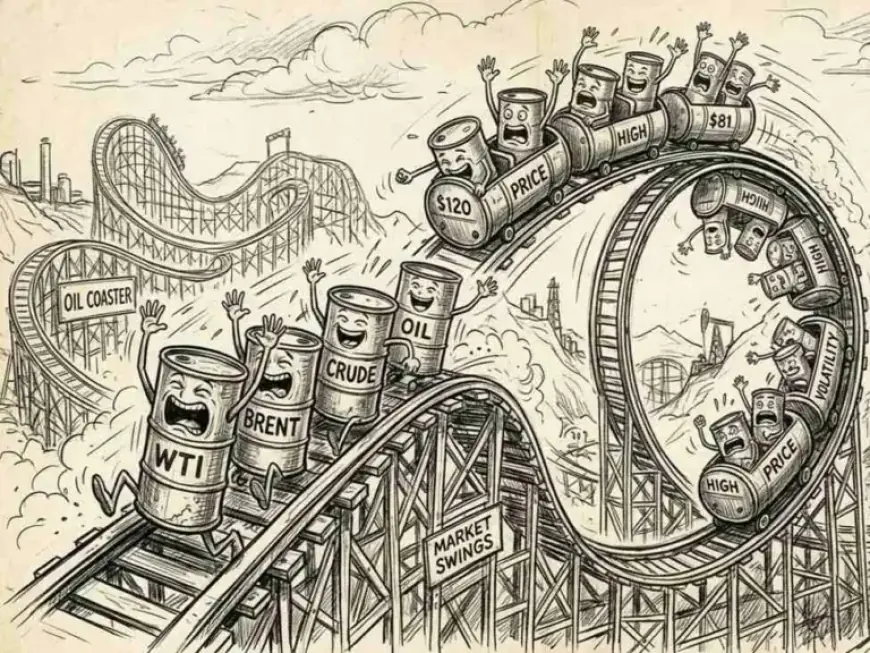
The recent turmoil in oil prices has been notable, particularly after a chaotic day of conflicting headlines. Following a steep decline, WTI crude oil prices have started to recover. Traders are cautiously optimistic, eyeing the potential for upward momentum as significant technical levels on the price charts hold firm.
Current Oil Price Trends
On one occasion, the price per barrel fell from nearly $120 to below $80. However, buyers have shown resilience, attributed to the support from the 200-hour moving average. Recent activity has also seen attempts to rise above the 100-hour moving average, indicating a possible shift towards recovery.
Key Events Influencing Oil Prices
- US-Iran conflict continues to create instability.
- Only seven vessels have crossed the Strait of Hormuz since March 6, highlighting ongoing tensions in the region.
Upcoming Oil Reserves Release
A significant factor to watch is the anticipated release of emergency oil reserves by the International Energy Agency (IEA). Reports suggest a staggering total of 300 million to 400 million barrels could be released. However, the logistics of this release could complicate the market recovery.
Considerations for the Oil Market
The IEA’s strategy for executing this release is crucial. Factors to consider include:
- Initial drawdown volumes from reserves: How many barrels will be released weekly?
- Logistical challenges: How quickly can these barrels be transported to refineries?
- Crude quality mix: What types of crude will be involved in the release?
- Refinery capacity: Can refineries handle a sudden influx of oil?
Understanding these elements will be essential as the oil market navigates the complexities of the Middle East conflict and the potential reserve release. It emphasizes that while large amounts of oil may appear beneficial, the execution and timing significantly impact market stability.