Mudgee Corridor Shake-up: Rylstone Olive Press Hits Market with $6.5m Price Tag

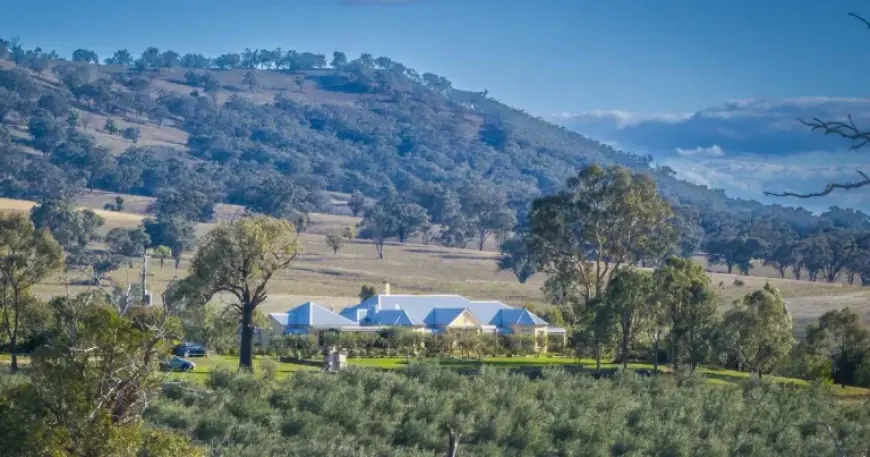
A pillar of the mudgee region’s gourmet map has been listed for sale: Rylstone Olive Press, with offers invited from an eye-watering $6. 5 million. The offering frames the estate as a rare agribusiness opportunity, combining about 125 hectares of established olive groves with an on-site processing facility, cellar door and homestead. The sale foregrounds production, branding and tourism in a single package at a moment when premium food assets are drawing investor attention.
Background: Why the Mudgee corridor listing matters
The property is presented as more than farmland. It already operates as a long-running olive oil producer with a reputation on the food and tourism map, known for extra virgin olive oils and a cellar door experience that has collected awards in both domestic and overseas competitions. The offering price and the estate’s mixed-use profile position it as an uncommon transaction in the regional agribusiness market, where fully integrated production-to-retail operations are comparatively scarce.
Deep analysis: Production capacity, infrastructure and strategic advantages
On paper, the asset pairs scale and capability. The estate spans about 125 hectares and includes a 1, 170 square metre processing facility centred around a Pieralisi extraction plant, supported by storage, bottling infrastructure, machinery shedding and significant water infrastructure. That processing footprint indicates capacity beyond boutique pressing and suggests potential for contracted milling, private-label bottling or expanded tourism programming tied to on-site production.
Buyers evaluating the asset will weigh operational readiness against capital intensity. The presence of an extraction plant and bottling lines reduces the immediate capex required to continue or expand oil output; conversely, maintaining premium brand credentials and hospitality offerings demands ongoing investment in quality control and customer experience. For local stakeholders, the sale also raises questions about continuity of awards, supply relationships and the fate of the estate’s cellar door draw for visitors to the region.
Expert perspectives and regional implications
Adrienne Harvey, Associate Director at Colliers, said: “This is an impeccably developed agricultural asset that seamlessly combines scale, premium production capability and a highly awarded brand reputation. ” Her framing underscores why the listing is pitched to buyers seeking both production and branding upside.
Nicholas Warmington, Senior Executive at Colliers, said: “The Central Tablelands is one of New South Wales’ most desirable agricultural regions, with excellent accessibility to Sydney and strong affinity with the thriving Rylstone and Mudgee gourmet tourism sector. ” His comment points to location-driven demand dynamics that could lift buyer interest beyond pure agronomy—especially from investors targeting regional tourism synergies.
Eyes are now on who the new owners might be. Potential pathways include an acquirer looking to consolidate premium oil production, an investor group aiming to scale a hospitality-branded agribusiness, or an existing regional operator seeking vertical integration. Each path carries different implications for employment, local supply chains and the marketing of the estate’s award-winning product.
Conclusion
The Rylstone Olive Press listing crystallises a broader question about the future shape of premium agribusiness in the region: will new ownership double down on production and branding or pivot toward an expanded tourism-led model that leverages the estate’s existing cellar door reputation? As the sale process unfolds, the answer will influence how the mudgee corridor balances agriculture, hospitality and investment appetite.