Strait of Hormuz Blockage Threatens Global Economic Stability

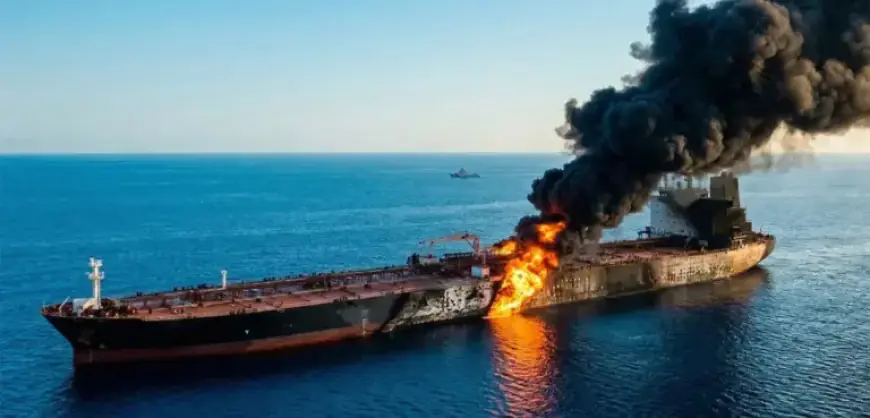
The ongoing instability in the Strait of Hormuz poses a serious threat to global economic stability, particularly in the energy sector. This critical maritime chokepoint connects the Persian Gulf with the Gulf of Oman, serving as a vital artery for oil and liquefied natural gas (LNG) shipments.
The Strategic Importance of the Strait of Hormuz
At its narrowest point, the Strait measures approximately 21 miles wide. Daily, it sees the transit of around 20 million barrels of crude oil, which constitutes about 20% of global consumption. Additionally, it facilitates 20% of the world’s LNG exports and 45% of internationally traded urea, a key fertilizer ingredient.
Global Economies Depend on Gulf Exports
Countries like Saudi Arabia, Iraq, Kuwait, and the UAE heavily rely on this waterway for their exports. Disruptions here can significantly impact oil production and availability, leading to cascading effects on global energy markets.
Iran’s Recent Actions
Iran has ramped up its military activities in the region, issuing warnings to vessel operators and attacking commercial shipping. Since February 28, these actions have resulted in a staggering 90% drop in tanker traffic through the Strait.
Iran’s Asymmetric Warfare Strategy
Rather than employing a conventional naval blockade, Iran uses asymmetric tactics to exploit the geographic constraints of the Strait. Armed with nearly 3,000 small attack craft, Iran can leverage sheer numbers and mobility to create unpredictable threats that deter commercial shipping.
The Closure’s Economic Impact
- Average daily charter rates for Very Large Crude Carriers (VLCCs) soared from $50,000 to over $400,000.
- Insurance premiums surged due to heightened war risks, effectively choking off global shipping operations.
- Global LNG supply from Qatar could drop significantly, likely pushing prices higher in Europe and Asia.
As price shocks ripple through energy markets, the potential for food inflation rises. The increase in fertilizer prices could lead to reduced agricultural yields, affecting food availability globally.
The Role of the United States and Allied Forces
Despite local air superiority, U.S. and Israeli forces face significant challenges in controlling maritime threats. With limited naval assets available for convoy protection in the Gulf, escorting commercial vessels poses a serious logistical and tactical challenge.
Future Strategies to Ensure Navigation
Proposals to seize Iranian oil tankers or increase military escorts are being discussed as ways to mitigate the crisis. However, these strategies come with high stakes for both U.S. and Iranian interests.
Ultimately, the crisis in the Strait of Hormuz underscores the intricate relationship between maritime security and global economic stability. The situation highlights the critical need for ensuring freedom of navigation and protecting economic interests in vital shipping lanes.