FDA Approves New Use of Synthetic Vitamin B9, Excludes Autism Treatment

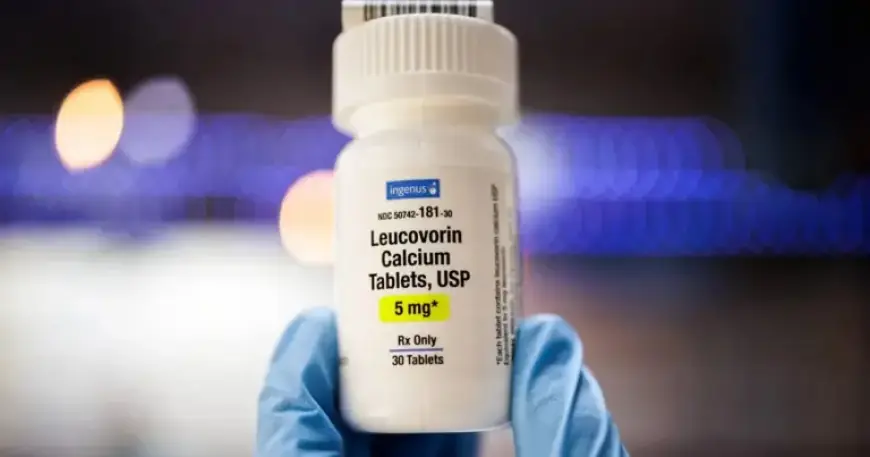
The Food and Drug Administration (FDA) has recently approved a new indication for leucovorin, a synthetic form of vitamin B9. This approval is specifically for treating cerebral folate deficiency, a rare neurological disorder characterized by inadequate levels of vitamin B9 in the brain. This new direction contrasts sharply with previous statements made by the Trump administration, which had promoted leucovorin as a potential autism treatment.
Details of the FDA Approval
On Tuesday, the FDA clarified its stance on leucovorin. Although the previous administration hinted at a potential efficacy for autism, senior FDA officials asserted that there is insufficient data to support such claims. The FDA emphasized, “We don’t have sufficient data to say that we could establish efficacy for autism more broadly.” This means that the therapy is currently not sanctioned for autism treatment.
Background Information on Leucovorin
- Leucovorin is primarily used to alleviate the side effects of chemotherapy.
- It enhances the effectiveness of cancer treatments.
- Approximately one in one million people are diagnosed with cerebral folate deficiency.
The FDA’s recent announcement has attracted attention due to the historical context. During a briefing on September 22, 2022, FDA Commissioner Marty Makary suggested an update to leucovorin’s label, stating that it might be available for children with autism. Many experts criticized this proposal, insisting that more rigorous research was needed before classifying leucovorin as a valid treatment for autism symptoms.
Impact of the Approval on Autism Treatment Recommendations
Despite leucovorin not being approved for autism, off-label prescriptions are still possible. Some healthcare providers had already been prescribing the drug before the Trump administration’s comments. Interestingly, a study indicated a significant increase in leucovorin prescriptions following those remarks. Data showed a staggering 71% rise in prescriptions for children during the two and a half months that followed.
Expert Opinions on the Situation
Experts like Alycia Halladay from the Autism Science Foundation and David Mandell, a psychiatry professor, have expressed concerns about the mixed messages from the FDA and the previous administration. Halladay stated, “The bell has been rung, and we’ve already seen… prescriptions for leucovorin have skyrocketed.” Mandell echoed these sentiments, highlighting the confusion caused by conflicting statements regarding autism treatment.
In summary, the FDA’s approval of leucovorin is limited to cerebral folate deficiency. The lack of data supporting its use for autism treatment has led to mixed responses, emphasizing the need for careful science and clear communication to families affected by autism. The FDA’s commitment to accurate information in the field remains crucial for safeguarding families seeking effective treatment options.