Iran Conflict Drives Oil Prices to Highest Levels in Years

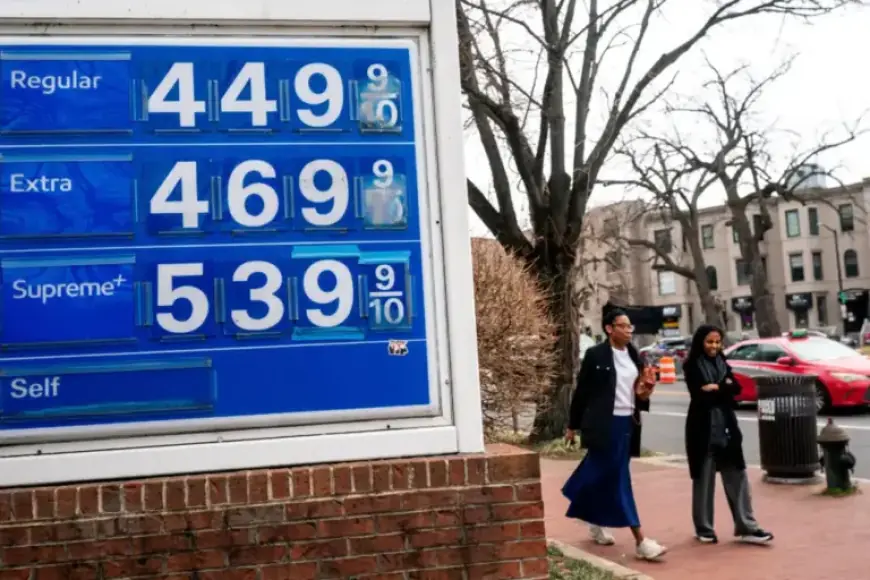
Oil prices have reached their highest levels in years as the Iran conflict escalates, impacting production and shipping in the Middle East. On Monday, Brent crude, the international benchmark, surged to over $119 per barrel before stabilizing around $101. Similarly, West Texas Intermediate crude briefly surpassed $119. The surge is a direct consequence of ongoing hostilities and their implications for global oil supply.
The Current State of Oil Prices
The current crisis, intensifying in its second week, threatens crucial infrastructure for oil and gas production. Key regions are under strain, with the situation further complicated by Iran’s domestic leadership changes. The recent appointment of Ayatollah Mojtaba Khamenei as the new supreme leader signals Iran’s defiance amid heavy bombardments.
Supply Chain Disruptions
Bahrain has accused Iran of attacking a desalination plant, critical for drinking water supplies. Subsequently, Bahrain’s national oil company declared force majeure, suspending its contractual obligations due to extraordinary circumstances caused by the conflict. Oil facilities in Tehran also suffered strikes, contributing to escalating concerns about oil supply.
Impact on Oil Exports
- Approximately 15 million barrels of crude oil, or 20% of the world’s supply, navigate through the Strait of Hormuz daily.
- The ongoing threat from Iranian missile and drone attacks has severely restricted tanker movements from key producers like Saudi Arabia and Iraq.
- Several countries, including Iraq, Kuwait, and the UAE, have reduced their oil production due to filled storage tanks.
Global Reactions and Economic Effects
As oil prices escalate, discussions about tapping into emergency oil reserves have surfaced. However, G7 leaders have currently opted against using their strategic reserves, according to French Finance Minister Roland Lescure. He highlighted the group’s readiness to stabilize markets through coordinated efforts, including strategic stockpiling.
On the other hand, U.S. officials, including former President Donald Trump, minimized the urgency for utilizing the Strategic Petroleum Reserve, asserting that supplies remain adequate.
Broader Economic Consequences
The rise in oil and natural gas prices is causing a ripple effect across economies, particularly in Asia, where nations heavily depend on Middle Eastern imports. For instance, Vietnam has seen significant lines at filling stations due to price hikes. South Korea’s government is implementing strict measures against price collusion among refiners and gas stations.
Current Pricing Trends
| Commodity | Price (as of Monday) | Weekly Change |
|---|---|---|
| Brent Crude Oil | $101+ | +9% |
| West Texas Intermediate | ~$100+ | Varies |
| Regular Gasoline (U.S.) | $3.48/gallon | +$0.50 |
| Diesel (U.S.) | $4.66/gallon | +$0.80 |
| Natural Gas (U.S.) | $3.34/1,000 cubic feet | Up from $3.19 |
Higher energy prices are likely to exacerbate inflation, tightening household budgets and reducing consumer spending. This situation has unsettled financial markets, triggering sharp declines in stock prices globally. The interconnectedness of energy costs and overall economic health underscores the urgency of stabilizing oil supplies amid the Iran conflict.