Experts Warn: Rising Oil Prices to Impact Canadian Economy

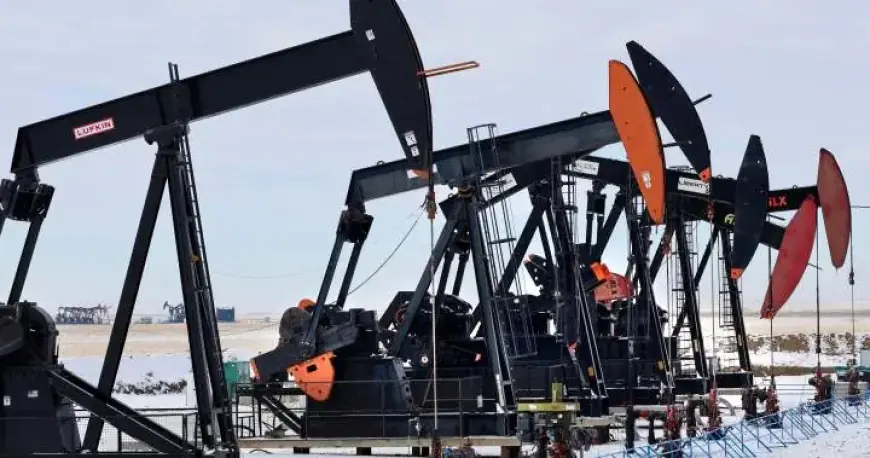
Experts are raising concerns that the recent surge in oil prices, fueled by the ongoing conflict in Iran, will significantly impact the Canadian economy. The escalation of energy costs is expected to affect various sectors beyond just transportation. Bryan Detchou from the Canadian Chamber of Commerce emphasized that the increased energy prices will ripple through multiple industries, driving up costs for essential goods.
Impact of Rising Oil Prices on Canadian Industries
The conflict has escalated tensions in the Strait of Hormuz, a crucial waterway for global oil supply, where approximately 20% of the world’s oil passes. This situation has led oil tankers and cargo vessels to avoid the strait, raising concerns about shortages in oil and other commodities.
Industry Insights
According to Andre Cire, an associate professor at the University of Toronto, the economy’s dependence on oil for energy and various products means that higher oil prices will affect all aspects of daily life. Cire noted:
- Goods such as plastics, fertilizers, and even electronics are likely to see price increases due to higher oil costs.
- Transportation costs, especially for rural communities reliant on diesel fuel, are expected to rise significantly.
Gas and Diesel Prices Soaring
As of the latest reports, the national gas price reached C$1.54 per liter, marking an increase of over 20 cents in just one week. Diesel prices, which are already higher, are poised to rise further, impacting both consumers and businesses.
Many Canadians might notice increased costs for delivery services, as higher fuel prices will likely lead companies to raise shipping fees. Martin Firestone, president of Travel Secure Inc., indicated that the aviation sector could also face immediate fuel cost increases.
Potential Consequences for Air Travel
Airlines like WestJet have confirmed that the rising oil prices due to the Iran conflict are already influencing ticket prices. Further adjustments are anticipated as airlines juggle operational costs and consumer pricing:
- Existing flight bookings will remain locked in at current prices.
- New bookings may be subjected to higher prices as fuel costs increase.
Both Air Canada and Porter Airlines are monitoring the situation closely, insisting that they must consider several factors, including jet fuel prices, in their pricing strategies.
Ripple Effect on Consumer Goods
The rising costs of oil will also substantially increase the prices of consumer goods, particularly those reliant on petrochemicals. Plastic products, which encompass many daily items, will see costs rise along with oil prices. Cire highlighted the direct correlation between oil prices and manufacturing costs.
Long-Term Economic Benefits for Canada
Despite the immediate challenges, some experts suggest that Canada may experience economic benefits from higher oil prices. The Alberta and Saskatchewan governments have indicated that increased oil revenues could positively impact their budgets.
Canada’s position as a net oil producer may allow it to meet demand and offset global supply issues caused by the Iran conflict. John Kirton, a political science professor, remarked that prolonged conflict could potentially benefit Canada’s oil industry, provided the situation continues to develop in such a way.
Conclusion
In summary, while rising oil prices due to the Iran war present significant challenges to the Canadian economy, they may also create opportunities for certain sectors. The interconnected nature of the economy means that every rise in oil prices will have far-reaching effects on consumer goods and services.