OpenAI Addresses Surveillance, Autonomous Killings: Trust Our Ethical Commitment

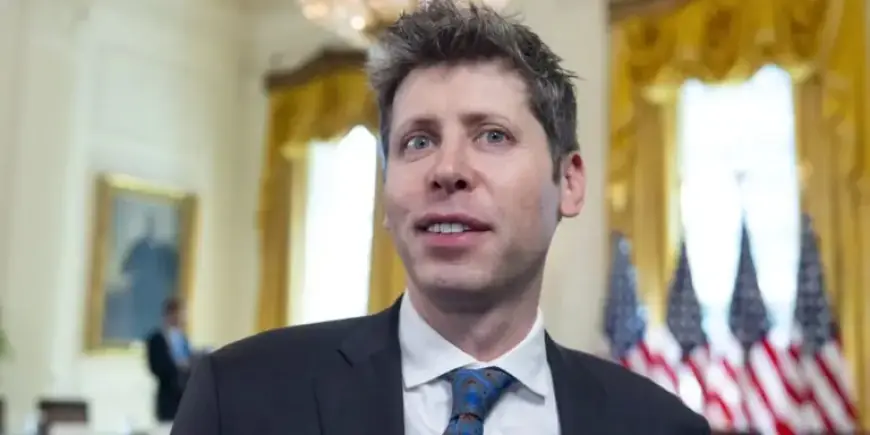
OpenAI has recently secured a significant contract with the Pentagon, emphasizing its commitment against domestic surveillance and the use of AI for military lethal actions. This agreement reportedly reflects two core safety principles articulated by CEO Sam Altman: prohibitions on domestic mass surveillance and the necessity of human accountability for the use of force, particularly concerning autonomous weapon systems.
Background on the Contract
The announcement came on February 27, following a failed attempt by Anthropic, a key rival in the AI space, to negotiate a similar contract. Anthropic’s negotiations with the Department of Defense (DoD) fell apart due to their insistence on including strict bans against autonomous weapon systems and domestic surveillance, leading to the Pentagon discontinuing their use of Anthropic’s technologies.
Contents of the Agreement
- Key Principles: OpenAI assures that their agreement includes prohibitions against domestic mass surveillance.
- Pentagon’s Position: Statements from senior Pentagon officials suggest alignment with OpenAI’s stated principles.
- Contract Transparency: Despite the claims, the specific language of the contract has not been publicly verified, raising concerns about accountability.
Concerns and Skepticism
Despite OpenAI’s assurances, critics express doubts regarding the reliability of the claims surrounding the contract. Several former military officials have voiced concerns that the language used does not adequately prevent misuse of AI technologies for surveillance. They argue key terms remain vague, potentially allowing for broad interpretations that could undermine the stated ethical commitments.
Public Reactions
OpenAI’s messaging sequence has drawn criticism for lacking clarity and transparency. Prominent discussions on social media platforms have highlighted the need for comprehensive explanations regarding the contract’s stipulations. Employees and observers have called for more definitive assurances on how OpenAI plans to ensure compliance with ethical standards.
The Implications for AI and National Security
With the increasing integration of AI in defense applications, the importance of ethical guidelines is paramount. OpenAI’s contract with the Pentagon symbolizes a pivotal moment in the intersection of technology and military engagement. However, without transparency in the contractual details, concerns regarding accountability and ethical safeguards remain unresolved.
Public Trust and Future Outlook
The ongoing uncertainty surrounding OpenAI’s contractual commitments to the Pentagon may affect public trust in both the company and its leadership. Sam Altman and key Pentagon figures have called for trust in their ethical framework, but the necessity for rigorous oversight and clear operational limitations on the use of AI in military contexts is becoming increasingly apparent.
As OpenAI navigates its relationship with the Pentagon, the overarching need for concrete safeguards against misuse of technology is critical. The association between AI development and national security will likely continue to evolve, making accountability a defining issue in the landscape of artificial intelligence.