Chokepoint Economy Unveiled: Consequences of Collective System Failures

The ongoing geopolitical tensions have unveiled a significant crisis in the global economy, emphasizing the consequences of the collective system failures within crucial supply chains. As military actions escalate, the ramifications on energy prices and shipping logistics are becoming alarmingly apparent.
Rising Energy Prices and Economic Impact
Since late February 2023, energy prices have surged dramatically. Brent crude oil prices jumped from around $70 per barrel to approximately $119, reflecting a nearly 50% increase. U.S. West Texas Intermediate (WTI) prices followed suit, climbing from $67 to over $115 within just a short period.
This surge is compounded by the significant geopolitical events involving airstrikes in Iran, resulting in serious impacts on oil production and shipping routes. The National Assembly’s appointment of Mojtaba Khamenei as Iran’s new Supreme Leader has also intensified this situation.
Shipping Disruptions in the Strait of Hormuz
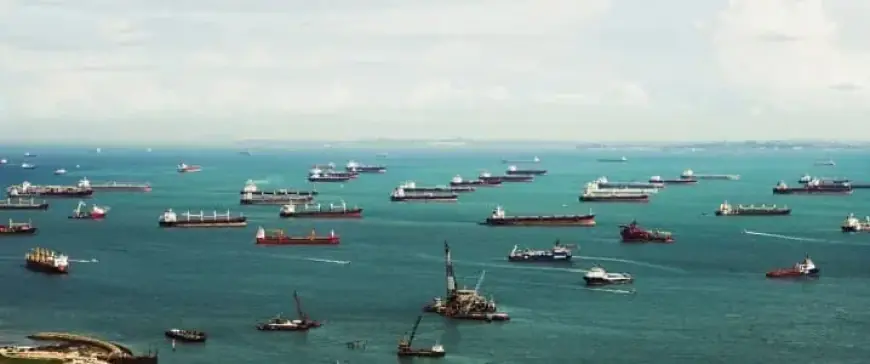
The Strait of Hormuz, a vital waterway that carries about 20% of the world’s oil, has become increasingly perilous. Iranian Revolutionary Guards have effectively shut down the strait to allied shipping, leading to a dramatic drop in tanker traffic. A usual average of 138 vessels daily has dwindled to a mere two.
- Current shipping status: 150 tankers stranded in the Gulf.
- Major shipping companies like Maersk and Hapag-Lloyd have suspended operations.
- LNG shipping charter rates surged from $40,000 to $300,000 a day, marking a 650% increase.
Fertilizer and Agricultural Concerns
The war’s implications extend to agriculture. Fertilizer production, heavily reliant on natural gas, faces severe disruptions. As global urea exports are impacted, prices for fertilizers, such as ammonium, have surged by 35% in recent days. Farmers are beginning to feel the pinch, and this could lead to lower crop yields, affecting food supply later in the year.
Airfreight and Insurance Challenges
Air cargo capacity has plummeted by 18%, causing significant delays in the transport of essential goods. Over 20,000 flights have been grounded since the end of February, leading to backlogs that affect the delivery of pharmaceuticals, electronics, and perishable items.
Furthermore, with maritime insurance premiums skyrocketing and many companies pulling coverage, the shipping industry is facing unprecedented challenges. Without insurance, ships cannot legally operate, further crippling global trade.
Broader Economic Ramifications
The effects of the current crisis extend beyond mere price increases. As energy and shipping costs continue to rise, consumer inflation in several regions is expected to climb significantly. Experts predict that U.S. consumer price inflation may jump from 2.4% to 3% if the high energy prices persist.
This interconnected crisis is compounded by existing tariff policies and economic uncertainties globally. Companies are already filing lawsuits in response to economic policies that are being scrutinized and challenged in courts, highlighting the broader implications of the government’s decisions on the economy.
The Long-Term Outlook
The situation remains fluid, with analysts warning that the geopolitical landscape may not stabilize quickly. The existing pressures on global energy supply, coupled with disrupted shipping and agricultural processes, pose serious risks for economic recovery.
The importance of the current issues cannot be understated. As the world grapples with both immediate and long-term challenges arising from the crisis, the overarching theme of collective system failures becomes clearer. The choke points affecting oil and gas supply chains will likely have lasting repercussions on both global and local economies.
With significant numbers of voters concerned about inflation, the need for effective and rapid solutions is more urgent than ever as countries navigate through these transformational and turbulent times.