G7 Ministers Consider Releasing Oil Reserves Amidst Iran’s Price Leveraging

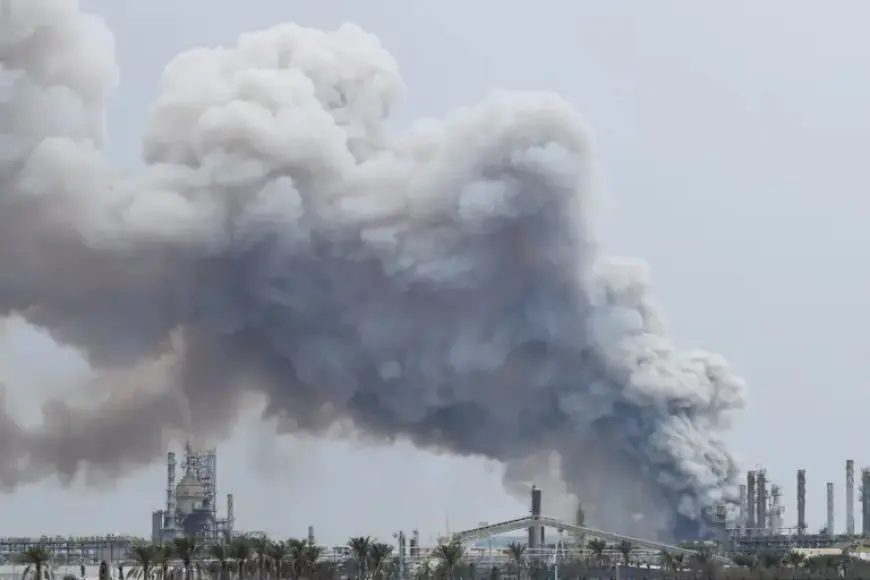
The G7 ministers convened to deliberate on the potential release of oil reserves amidst rising global prices influenced by tensions with Iran. The price of oil surged to nearly $120 per barrel in early trading, sparking discussions on the strategic use of reserves.
G7 Meeting on Oil Reserves
During the meeting, International Energy Agency (IEA) Director Fatih Birol mentioned various options to address the escalating prices. German Finance Minister Lars Klingbeil noted that any action would hinge on market dynamics and developments.
Iran’s Strategy and Market Reactions
- Iran warned of leveraging rising oil prices as an economic weapon.
- Iran’s Parliament head, Mohammad Baqer Ghalibaf, claimed that oil prices could stay elevated.
- Current Brent futures rose significantly, marking the highest increase since trading began in 1988.
In London, Brent crude futures for May spiked nearly 26%, reaching approximately $116.38. If prices remain above $112.17, it will represent record growth in daily trading.
Impact of Middle East Tensions
The conflict in the Middle East has exacerbated energy prices. Economic analysts predict that the current geopolitical tensions will prolong elevated prices, especially given the ongoing confrontations surrounding Iranian oil infrastructure.
Natural Gas and Coal Price Increases
- Natural gas prices surged 30% amid supply disruptions.
- European gas prices have doubled since the onset of the conflict.
- Coal prices rose by $20 per ton due to increased demand as gas supplies tighten.
IEA’s Call for Coordinated Action
The G7 ministers underscored the need for a unified release of emergency oil reserves to stabilize the market. Japan’s Finance Minister, Satsuki Katayama, reiterated the IEA’s call for coordinated action from member countries.
Historical Context of Oil Reserves
The emergency reserves, established following the 1974 Arab oil embargo, aim to mitigate price shocks. Last tapped in 2022 due to Russia’s invasion of Ukraine, the reserves hold about 1.2 billion barrels across IEA member countries.
U.S. Oil Reserves Concerns
Reports indicate that U.S. reserves are currently at low levels, with only 416 million barrels held in major storage caverns. This represents roughly 20 days of national oil consumption.
Gasoline Prices on the Rise
The American Automobile Association (AAA) reported a notable spike in gasoline prices, reaching an average of $3.48 per gallon, up from $2.90 just a month prior, reflecting a 20% increase.
As the energy crisis unfolds, the G7 will continue to monitor developments and explore further measures to stabilize the energy market. The situation remains fluid as governments assess their strategies.