Global Oil Price Surge Alarms Markets, Igniting Inflation Concerns

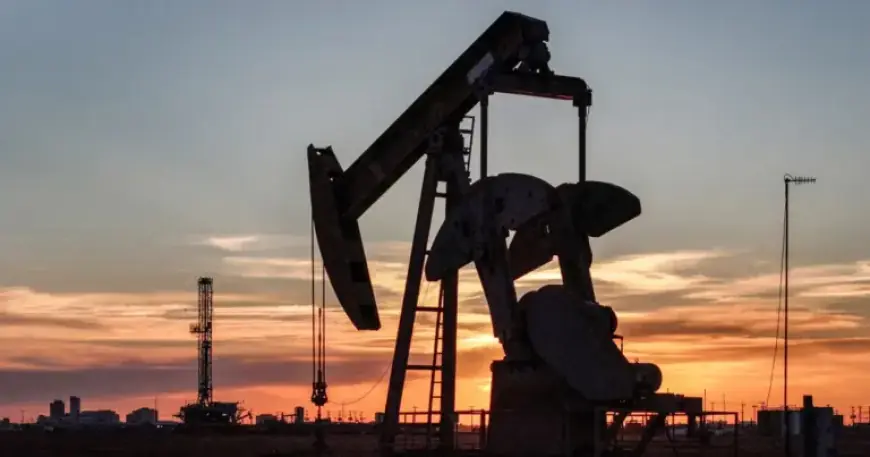
The recent surge in global oil prices has raised alarms among markets, prompting concerns about inflation. The escalation is primarily attributed to ongoing conflicts in the Middle East, particularly the war in Iran, which has significantly impacted oil production and supply chains.
Recent Oil Price Fluctuations
On Monday, U.S. crude oil prices skyrocketed by over 11%, reaching approximately $102 per barrel. Meanwhile, international Brent crude climbed by 10%, surpassing $103 per barrel. These figures mark a staggering increase—over 60% for U.S. crude in just one month and more than 45% in only five days.
Andy Lipow, an oil industry expert, noted that the $100 benchmark for oil could be exceeded if the conflict continues. Production is being curtailed while storage capacities fill, as tankers face loading difficulties.
Impact on Gas Prices
- As of Monday, the average U.S. retail gasoline price rose to $3.46 a gallon.
- The price has surged by more than 50 cents since the onset of the war.
Stock Market Reactions
The rapid increase in oil prices has adversely affected stock markets globally. As of late morning trading:
- The S&P 500 index dropped by 1%.
- The Nasdaq Composite fell by 0.8%.
- The Dow Jones Industrial Average plummeted nearly 700 points.
- In Japan, the Nikkei 225 index experienced its worst day since April 2025, declining by 5.2% and entering correction territory.
- South Korea’s Kospi index faced a 6% drop, with trading temporarily halted due to extreme selling.
Global Economic Responses
In response to the surging prices, finance ministers from leading industrialized nations conducted a video conference to consider releasing oil reserves. However, they concluded that immediate action was unwarranted. French Finance Minister Roland Lescure stated they are prepared to take coordinated steps as needed to stabilize markets.
Fatih Birol, Executive Director of the International Energy Agency, emphasized the deteriorating state of energy markets due to curtailed oil production and transit challenges in the Strait of Hormuz. He noted significant risks are emerging from these developments.
Potential Action from the European Union
The European Union’s economy commissioner, Valdis Dombrovskis, mentioned that Euro-area ministers would discuss oil reserve releases. This could potentially alleviate some pressure on rising prices amidst the ongoing disruptions.
Current Oil Production Challenges
Several countries, including Kuwait, the United Arab Emirates, and Saudi Arabia, have reduced oil output since the conflict began. The Strait of Hormuz, a critical passage for over 20% of the world’s oil supply, remains effectively closed to tankers, exacerbating the situation.
Due to unresolved export bottlenecks and storage nearing capacity, further cuts in production could become necessary. Analysts at JPMorgan Chase predict that by next week, more than 4 million barrels per day may need to be curtailed, with about 2 million already reduced.
Future Concerns
Industry analysts have warned that if disruptions continue, countries may face permanent supply losses. The UAE could face significant operational risks within a few days, raising alarms in the oil market.
In conclusion, the unresolved conflict and its impact on oil production pose significant risks for both markets and consumers, heightening inflation worries globally.