China Inflation Peaks in 3 Years Amid Holiday Surge; Producer Deflation Persists

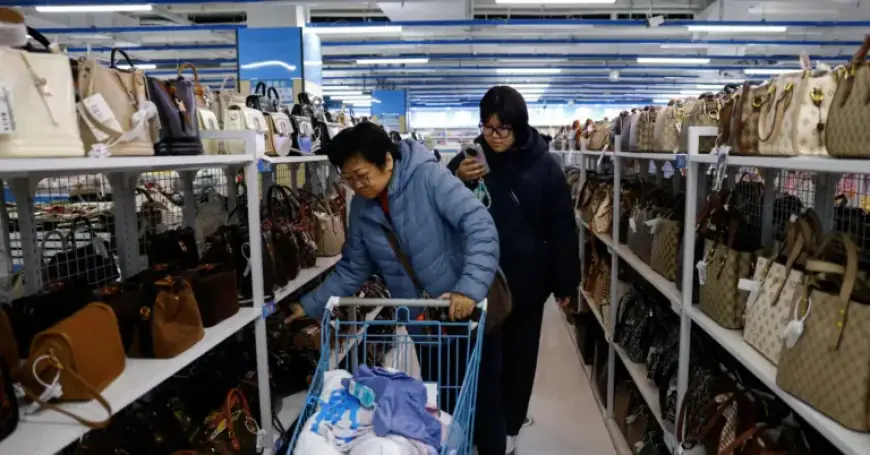
China’s economy is currently facing a complex situation as consumer inflation reaches a three-year high, while producer deflation remains persistent. This dual scenario is attributed to a combination of holiday-driven demand and ongoing economic challenges.
Consumer Inflation Trends
Recent data from the National Bureau of Statistics (NBS) reveals that the consumer price index (CPI) rose 1.3% year-on-year in February 2026. This marks the fifth consecutive month of gains and represents the highest inflation rate in 37 months. The current rate surpassed expert predictions of a 0.8% increase.
The Lunar New Year holiday played a significant role in boosting domestic travel and spending. Key highlights include:
- Flight ticket prices surged by 29.1% year-on-year.
- Gold jewelry prices spiked 76.6%.
Ongoing Producer Deflation
Despite rising consumer prices, producer deflation continues to exert pressure on the economy. The producer price index (PPI) decreased by 0.9% in February, the smallest drop since July 2024. This decline, while better than the anticipated 1.2%, reflects ongoing challenges in the manufacturing sector.
Factors contributing to the PPI’s mild deflation include:
- Stronger prices in advanced and emerging sectors.
- Efforts to manage production capacity in key industries.
Economic Challenges Ahead
China’s economy struggles with a prolonged slump in the property market and external trade tensions, particularly due to U.S. policies. Policymakers have committed to addressing the supply-demand imbalance to foster a more robust recovery.
Looking forward, the government has set a GDP growth target of 4.5% to 5% for the year, a slowdown from the approximate 5% goal of the previous year. This shift indicates a readiness to implement reforms aimed at reducing dependency on external demand.
Future Predictions and Policy Actions
Economists remain cautious about the sustainability of the inflation trends. For instance, Zichun Huang from Capital Economics expressed concerns about the potential for rising prices linked to global energy disruptions. In contrast, the central bank’s easing policies may remain unaffected unless there is a severe and prolonged spike in oil prices.
The Chinese government plans to maintain its Consumer Price Index target at around 2% through 2026. Effective macroeconomic policies are expected to further guide public expectations and enhance market confidence.
In summary, while China experiences the highest inflation in three years, systemic issues such as producer deflation and external pressures persist, demanding vigilant and adaptive policy responses.