Prepare Your Portfolio: Navigating Prolonged Middle East Conflict Risks

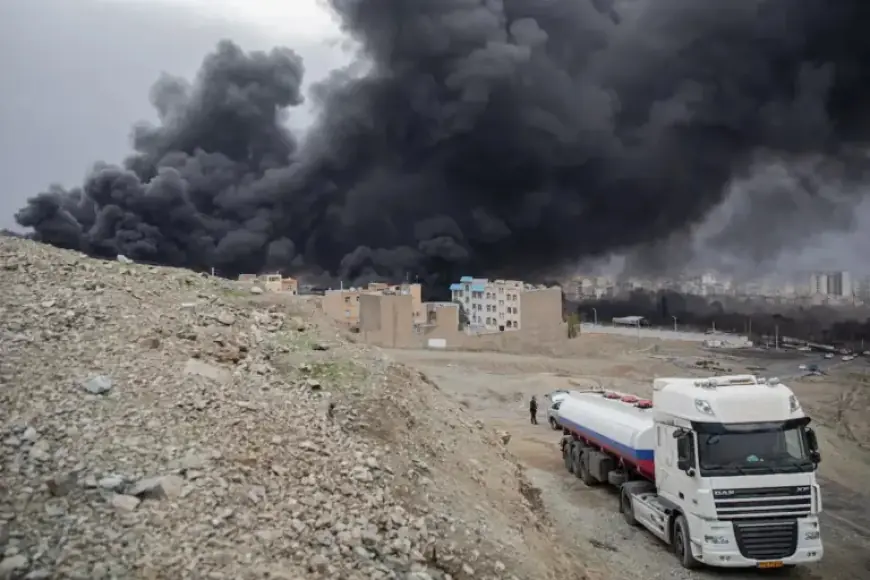
In light of the ongoing conflict in the Middle East, investors are grappling with new risks. The situation has raised concerns about the economic stability of not just the region, but the global market as a whole.
Impact of Middle East Conflict on Global Markets
As hostilities escalated, initial investor reactions were muted. On March 2, following the onset of military actions, Canadian markets remained relatively stable. However, as reports of escalated violence surfaced, the reality of the situation prompted a sharp reassessment.
Key Developments in the Region
- Attacks have occurred across multiple nations, including Saudi Arabia and the Gulf states.
- The Strait of Hormuz, a critical shipping route for oil, faced significant threats.
- Incidents of drone attacks have targeted military installations, such as a British base in Cyprus.
- Iranian drones have also crossed into Azerbaijan, escalating tensions further.
- Russia has been reportedly aiding Iran with military intelligence.
Market Response and Oil Prices
Oil prices have surged due to the instability, impacting inflation rates. Predictions suggest prices could spike to over $150 per barrel, intensifying fears about rising costs across various sectors.
Currently, the TSX is down by 4.2%, while the S&P 500 has fallen by 3.4%. Although these declines do not signal a full market correction yet, investors are advised to remain vigilant.
Strategies for Investors Amid Turmoil
Given the unpredictable nature of the conflict, investors should consider the following strategies:
- Realize Some Gains: If particular investments have significantly appreciated, consider taking profits to safeguard against potential downturns.
- Commodity Investments: Conflict often drives commodity prices up. Energy and defense stocks have seen increased interest.
- Maintain Exposure to Precious Metals: Gold traditionally serves as a safe haven. However, consider the potential impacts of inflation.
- Hold U.S. Dollars: The U.S. dollar remains robust. Maintaining a portion of cash holdings in dollars might be beneficial.
- Flexibility is Key: Recognize that circumstances may worsen before they improve. Staying adaptable is crucial.
Conclusion
The ongoing conflict in the Middle East presents unique challenges for investors. By navigating these risks with proactive strategies, such as monitoring market fluctuations and adjusting portfolios appropriately, investors can better prepare for the uncertainties ahead.
For more insights on investment strategies during times of conflict, visit Filmogaz.com.